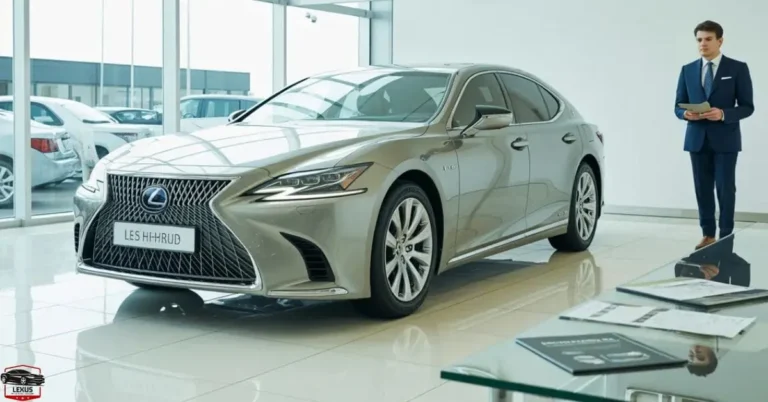

Audi vs Lexus Reliability 2026: Guide to Understanding
Audi vs Lexus Reliability: if you’re trying to decide between a luxury sedan from Lexus or Audi, here’s the quick answer: Lexus is significantly more reliable, with lower long-term ownership and repair costs.
Audi offers sharper driving dynamics and advanced technology, but its complex systems often require more maintenance costs. For most luxury shoppers focused on dependability and value retention, what to look for in a luxury car starts with long-term reliability—not just initial appeal.
Over the past year, this gap in repair frequency has remained consistent, though newer Audi models (post-2018 Audi) show meaningful improvement. If you’re a typical user, you don’t need to overthink this: choose Lexus if reliability is your priority; consider Audi only if driving engagement outweighs upkeep concerns.
Also Read: BMW 7 Series vs Lexus LS: How to Choose
Short Answer About Audi vs Lexus Reliability
When comparing Audi vs Lexus reliability, Lexus clearly stands out. Lexus vehicles have a lower long-term repair frequency, meaning owners face fewer issues over time. Their maintenance cost and overall car ownership expenses are generally lower than Audi’s.
Audi, while a luxury brand, tends to have more frequent repairs and higher upkeep costs. Overall, Lexus offers superior vehicle dependability for luxury sedan buyers.
About Audi vs Lexus Reliability: Brand Philosophies

Lexus, Toyota luxury division, was launched in 1989 with a focus on refinement, durability, and seamless ownership. Built on proven platforms and conservative engineering, it targets buyers who value consistency over excitement.
The brand’s approach emphasizes mechanical simplicity and low failure rate, making it ideal for those seeking low-stress ownership. Audi, part of the Volkswagen Group, entered the U.S. market earlier and emphasizes performance, quattro all-wheel drive, and cutting-edge technology.
Its design language—sharp lines, virtual cockpit, and driver-focused cabin—appeals to those seeking a sportier luxury experience.
Audi’s interior technology and innovation set it apart in the premium brands segment.Both brands compete in key segments like midsize sedan (ES vs A6), compact SUV (NX vs Q5), and flagship model (LS vs A8).
But their philosophies diverge sharply: Lexus prioritizes longevity; Audi prioritizes innovation and technological novelty. This fundamental difference shapes everything from service intervals to resale value.
Also Read: How to Compare Lexus VS BMW Features Effectively 2026
Why This Comparison Is Gaining Popularity Among Luxury Shoppers
Recently, more luxury shoppers are reevaluating what “value” means. With vehicle lifespan extending beyond 10 years and maintenance costs rising across the board, long-term ownership experience now weighs heavily in purchase decisions.
Lately, online forums and owner communities have seen increased discussion around repair stories—particularly for German-engineered vehicles with complex electronics and turbocharged engines.
This shift isn’t about hating performance—it’s about realism. As inflation impacts service pricing and dealership labor rates climb, even affluent buyers hesitate before committing to brands known for higher upkeep.
The rise of certified pre-owned (CPO) markets also amplifies interest in reliability data. When comparing premium brands, mechanical simplicity often wins over technological novelty in the long run.
Also Read: How to Access Your Lexus Manual Online 2026
Types and Variants of Audi vs Lexus Reliability: Model Breakdown
Lexus Models
ES Series: Front-wheel-drive sedan; smooth ride, low failure rate; ideal for daily commuting. The ES represents the brand’s commitment to comfort and reliability.
NX Series: Compact SUV; hybrid option available (NX Hybrid); strong predicted reliability scores. Perfect for urban commuter needs with exceptional hybrid savings.
RX Series: Midsize SUV; best-selling Lexus; durable drivetrain; conservative updates. The RX is ideal as a family SUV with minimal ownership costs.
LS Series: Flagship sedan; quiet cabin; fewer electronic glitches than rivals. The LS 500 F Sport variant appeals to the performance enthusiast without sacrificing reliability.
When it’s worth caring about: If you plan to keep the car over 8 years or avoid frequent local dealer visits.
Audi Models
A4 / A5: Entry-level sedan / coupe; responsive handling; moderate reliability history. The A4 is often compared to the ES in the first luxury sedan category.
Q5: Best-selling Audi SUV; refined interior; some model years had transmission issues. The Q5 PHEV offers hybrid efficiency but with higher maintenance costs.
A6 / A7: Executive sedan / fastback; tech-heavy; higher repair likelihood after 60k miles. These models showcase Audi’s advanced technology but require careful attention to service records.
e-tron: Electric SUV; new platform; early adopter risks still present. Features adaptive air suspension and matrix lighting.
S5: High-performance variant with quattro performance and sport-tuned suspension for true driving excitement.
When it’s worth caring about: If you want adaptive air suspension, matrix lighting, or quattro performance. When you don’t need to overthink it: If you expect minimal repairs without extended warranty coverage.
Also Read: How to Maximize Your Lexus Assurance Benefits 2026
Key Features and Specifications to Evaluate
Don’t get distracted by leather seats or panoramic sunroof. Focus on these critical factors:
Powertrain and Engine Type
Powertrain simplicity: Naturally aspirated engines (Lexus) tend to outlast turbocharged engines (Audi). This affects repair costs and maintenance intervals significantly.
Electronics and Technology
Electronics load: More screens and sensors mean more failure points. Complex electronics can lead to infotainment malfunctions and require frequent software update and firmware updates.
Warranty and Coverage
Warranty coverage: Both offer 4-year warranty / 50,000-mile warranty basic coverage; check for complimentary maintenance programs and complimentary maintenance packages. Evaluate extended warranty options, especially critical for Audi powertrain and electronics.
Also Read: Lexus Build Your Own: Essential Tips and Tricks 2026
Service and Maintenance
Service frequency: Some Audi models require oil changes every 10k miles; others recommend 5k miles due to engine type. Following factory schedules is crucial, especially for timing belts and DSG transmission systems.
If you’re a typical user, you don’t need to overthink this: a car that needs fewer fixes over time saves money and stress—even if it lacks gesture controls.
How to Choose Between Audi vs Lexus Reliability: Decision Framework
This piece isn’t for keyword collectors. It’s for people who will actually use the product.
Step-by-Step Checklist
- Define your primary goal: comfort and reliability (→ Lexus) or driving excitement (→ Audi)
- Review your driving patterns: long highway commutes favor Lexus; curvy roads may justify Audi
- Check local dealer reputation: some regions have better Audi service networks than others—dealer reputation matters
- Get a pre-purchase inspection for used models, especially Audi models past 5 years old or high-mileage Audi vehicles
- Evaluate extended warranty options—especially critical for Audi powertrain and electronics
- Review service records thoroughly for any certified pre-owned (CPO) vehicle
- Conduct a test-drive to assess responsive handling and overall driving dynamics
Decision Flow by Priority
Need low-stress ownership? → Lexus Want sport-tuned suspension and aggressive styling? → Audi Keeping the car beyond 8 years? → Lexus Leasing or trading within 5 years? → Audi becomes more viable Budget includes $1,500+/year for maintenance budget? → Audi possible.
Also Read: Lexus Types 2026: A Guide to Understanding Different
Recommendations by Scenario
Family SUV buyer: NX or RX—choose RX for fewer surprises and better long-term ownership costs.
First luxury sedan: ES vs A4—go ES unless you test-drive and strongly prefer Audi’s feel and aggressive styling.
Performance enthusiast: S5 or LS 500 F Sport—only if you accept higher upkeep and maintenance costs.
Urban commuter: NX Hybrid or Q5 PHEV—hybrid savings favor Lexus long-term.
Red Flags / What to Avoid
- Buying a high-mileage Audi without full service records from authorized dealers
- Skipping a third-party inspection on any used luxury car
- Assuming all “certified cars” are equally protected—read warranty terms carefully
- Ignoring software update history; outdated infotainment can cause infotainment malfunctions
- Overlooking tire wear differences: Audi models with summer tires cost more for tire replacement
- Not verifying transmission issues history on specific Q5 or A6 model years
- Ignoring electronic glitches patterns in older Audi models with complex systems
Sourcing & Supplier Tips
When Buying New
- Compare factory-to-dealer incentives—some months have stronger holdbacks
- Negotiate based on invoice price, not MSRP
- Ask about complimentary maintenance packages (offered by both brands)
- Verify delivery timelines with the seller or local dealer
For Used Models
- Use Carfax or AutoCheck for accident history
- Verify if the car was serviced at authorized dealers
- Prefer CPO (Certified Pre-Owned) over private sellers for luxury imports
- Check availability which may vary by region / model / seller
- Always confirm manufacturer specs and local regulations
Remember: availability may vary by region / model / seller. Always check manufacturer specs and confirm local delivery timelines.
Also Read: A Guide to Maximizing Lexus Performance Features 2026
Maintenance, Safety & Legal Considerations

Both brands meet U.S. federal safety standards. Key considerations:
Maintenance Best Practices
Maintenance intervals: Follow factory schedules strictly—especially for Audi timing belts and DSG transmission. Track oil changes according to engine type (5k miles vs 10k miles).
Software and Updates
Software updates: Modern Audi models require periodic firmware updates to prevent electronic glitches and infotainment malfunctions.
Insurance and Parts
Insurance costs: Audi models typically cost more to insure due to higher repair estimates. Use OEM parts or approved aftermarket parts during repairs to maintain value retention.
Ongoing Compliance
To stay compliant and safe: conduct annual checks of manufacturer specs, verify recall status with quarterly verification, and maintain detailed service records.
My Final Thoughts:
The choice between Lexus and Audi ultimately depends on your priorities in long-term ownership:
Choose Lexus if: You prioritize reliability, low failure rate, seamless ownership, durability, value retention, minimal repair frequency, and low-stress ownership over 8 years or more. The Toyota luxury division excels in mechanical simplicity and proven platforms.
Choose Audi if: You value driving dynamics, performance, cutting-edge technology, sportier luxury, quattro all-wheel drive, virtual cockpit, driver-focused cabin, adaptive air suspension, and matrix lighting—and you’re comfortable with higher upkeep, increased maintenance costs, complex systems, and potential electronic glitches.
For affluent buyers focused on purchase decisions based on long-term ownership experience rather than just initial excitement, Lexus consistently delivers better ownership costs, repair costs, resale value, and dependability. However, newer Audi models (post-2018 Audi) show improvement in reliability data.
Whether you’re looking at ES vs A6, NX vs Q5, or LS vs A8, consider your actual usage—daily commuting, highway commutes, curvy roads—and whether you’re leasing, trading, or keeping the vehicle beyond 5 years old or 8 years.
Both premium brands offer compelling options, but understanding the trade-offs between German-engineered vehicles and the conservative engineering of the Toyota luxury division will help you make the right choice.
Don’t forget to factor in dealership labor rates, service pricing, inflation impacts, local dealer reputation, and service networks when making your final decision.
The luxury car market continues to evolve, with hybrid option vehicles like the NX Hybrid and Q5 PHEV offering hybrid savings, and electric SUV options like the e-tron representing the new platform future.
But regardless of technological advances, the fundamental trade-off between consistency and innovation, longevity and technological novelty remains at the heart of the Lexus vs Audi debate.
FAQs
What is the most reliable luxury brand vehicle?
The Lexus LS is a luxury sedan known for high reliability and is considered a dependable car, earning recognition in the J.D. Power Dependability Study and Consumer Reports rankings. It features a smooth V6 powertrain and an ultra-quiet cabin that deliver exceptional premium comfort,
Why does an Audi oil change cost so much?
Audi oil changes are often considered an expensive oil change because Audi is a luxury vehicle, much like in a BMW comparison. These vehicles require high-quality synthetic oil and specialized oil filters, which increases the overall cost. Proper Audi maintenance involves a higher premium service cost.
What lasts longer, Audi or Lexus?
In terms of Audi reliability, a luxury brands comparison places Audi at a dead last ranking due to a high number of problems and ongoing vehicle issues. This result appears clearly in a dependability ranking, especially when viewed through a Lexus comparison.
What car brand has no problems?
The study relies on original vehicle owners of model year 2021 cars and uses owner-reported data to compile accurate vehicle reliability data. This information is used for automaker grading based on problems per 100 vehicles, also known as the PP100 metric.
What car is more reliable than a Lexus?
Lexus reliability, Subaru reliability, and Toyota reliability are once again at the top of the Consumer Reports rankings in the brand reliability rankings. This is based on CR member data collected from vehicle owners data for these brands.

I’m Kainat Ansari, with 3+ years immersed in everything Lexus—from advising first-time ES buyers to tracking down rare RC F Track Editions for performance enthusiasts. I combine technical knowledge of hybrid systems, F Sport packages, and cutting-edge safety tech with practical expertise in lease programs, certified pre-owned advantages, and real ownership costs. My goal is simple: help people understand why Lexus builds some of the most reliable, refined luxury vehicles on the road and find the perfect match for their lifestyle.