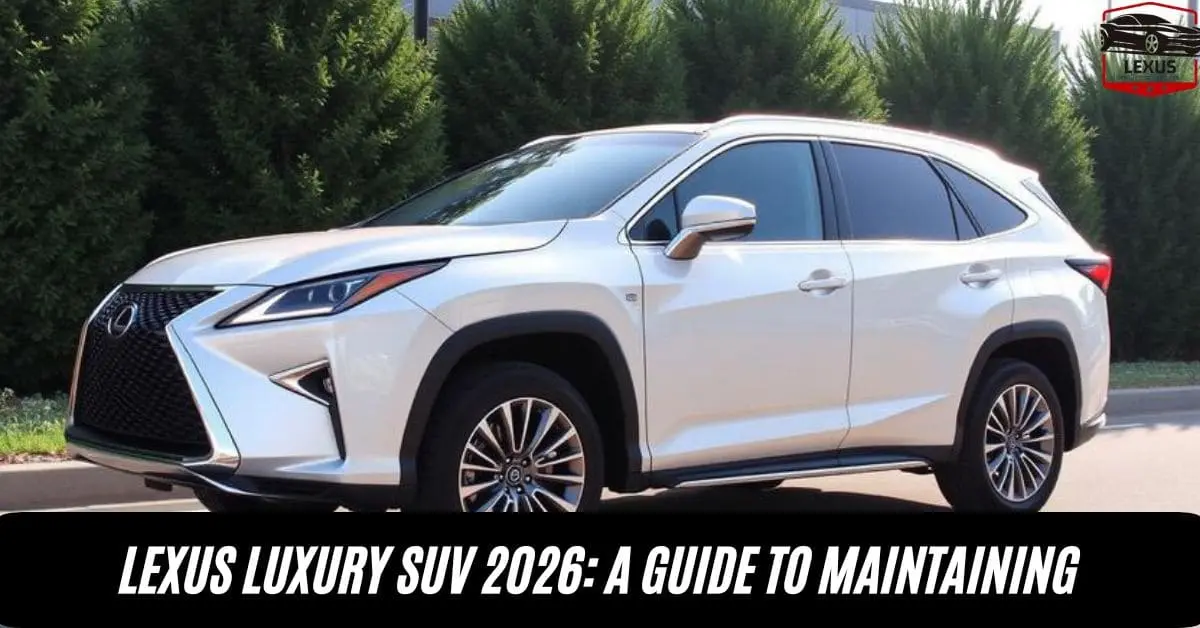
Lexus Luxury SUV 2026: A Guide to Maintaining
Owning a Lexus PHEV model in 2026 represents a significant investment in cutting-edge automotive technology, environmental responsibility, and refined driving pleasure.
Whether you’ve chosen the NX 450h+, RX 500h+, or TX 550h+, proper maintenance ensures your plug-in hybrid SUV delivers optimal performance, longevity, and resale value throughout your ownership experience.
The maintenance requirements for a Lexus plug-in hybrid differ meaningfully from traditional luxury SUV models. The integration of a gasoline engine, electric motor, high-capacity battery, and sophisticated power electronics creates unique service needs that demand specialized knowledge and attention.
Understanding these requirements transforms maintenance from a confusing obligation into a straightforward routine that protects your investment.
This comprehensive guide walks you through every aspect of maintaining your Lexus PHEV model, from daily habits that preserve battery health to scheduled services performed at your authorized dealership.
We’ll explore the specific maintenance differences between PHEV technology and conventional vehicles, decode your warranty coverage, and provide practical strategies for minimizing long-term ownership costs while maximizing reliability.
Also Read: How to Choose the Right Lexus PHEV Model for You 2026
Short Answer About Lexus Luxury SUV
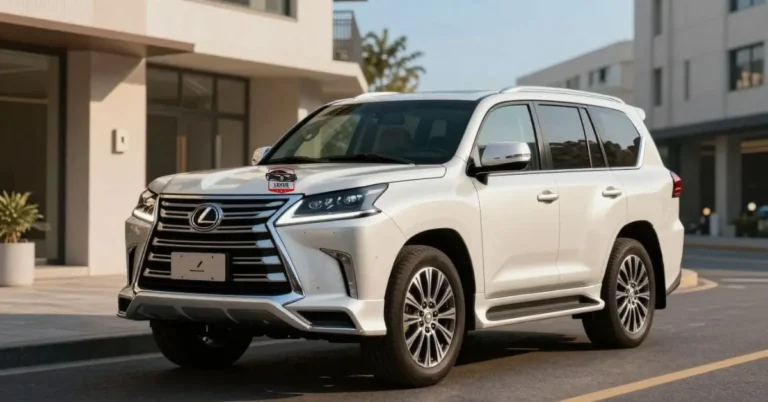
The Lexus Luxury SUV combines elegance, comfort, and high-quality materials throughout its interior. It features advanced technology, including infotainment systems and driver-assistance tools for safety and convenience.
Performance is smooth and powerful, offering a refined driving experience in city and highway conditions. The SUV provides versatile space, with roomy seating and ample cargo capacity for families or travelers. Overall, it delivers reliability, luxury, and practicality in a premium SUV package.
Understanding Your Lexus Luxury SUV Unique Maintenance Needs
The Dual Powertrain Reality
Your Lexus PHEV model operates with two distinct powertrains requiring parallel maintenance attention. The gasoline engine follows traditional service intervals—oil changes, filter replacements, spark plug maintenance—while the electric motor and battery system demand their own specialized care regimen.
This dual nature actually reduces some maintenance compared to conventional vehicles. Regenerative braking means your brake pads and rotors wear significantly slower, often lasting twice as long as traditional luxury SUV models. The electric motor has virtually no routine maintenance requirements beyond periodic inspections during scheduled services.
attention. The gasoline engine follows traditional service intervals—oil changes, filter replacements, spark plug maintenance—while the electric motor and battery system demand their own specialized care regimen.
This dual nature actually reduces some maintenance compared to conventional vehicles. Regenerative braking means your brake pads and rotors wear significantly slower, often lasting twice as long as traditional luxury SUV models. The electric motor has virtually no routine maintenance requirements beyond periodic inspections during scheduled services.
The battery size in your plug-in hybrid is substantial, requiring thermal management systems that circulate coolant to maintain optimal operating temperatures. This cooling system becomes a critical maintenance
The battery size in your plug-in hybrid is substantial, requiring thermal management systems that circulate coolant to maintain optimal operating temperatures. This cooling system becomes a critical maintenance focus point, demanding regular coolant check procedures and eventual fluid replacement following manufacturer guidelines.
Also Read: How to Maximize Lexus TX Hybrid MPG Efficiency
How Electric-Only Driving Affects Maintenance Schedules
Owners who maximize electric-only driving through consistent home charging and short daily commute patterns may find their gasoline engine runs infrequently. While this reduces fuel costs and tailpipe emissions, it creates unique maintenance considerations that traditional service schedules don’t address.
Gasoline engines that sit idle for extended periods face potential issues—fuel degradation, moisture accumulation in the exhaust system, and insufficient operating time to reach full temperature. Your Lexus PHEV model includes programming that periodically runs the engine even when unnecessary for propulsion, maintaining mechanical health and preventing these problems.
Oil change intervals may require adjustment based on your driving pattern. The infotainment system monitors actual engine runtime and operating conditions, alerting you when service is needed rather than relying solely on mileage-based schedules. This intelligent approach ensures maintenance happens when genuinely required.
Essential Daily and Weekly Maintenance Habits for Your Lexus PHEV Model
Establishing Proper Charging Habits
Your charging habit directly impacts battery longevity and overall vehicle health. Consistent overnight charging using a Level 2 charger or 240V charger maintains optimal battery conditioning, preventing the deep discharge cycles that accelerate degradation.
The charging port requires periodic visual inspection for debris, corrosion, or damage. Keep the port cover clean and ensure it closes securely after each charging session. Moisture intrusion can cause electrical issues, so inspect the port area after car washes or heavy rain.
Avoid exposing your Lexus plug-in hybrid to extreme temperatures while charging when possible. While the battery thermal management system protects against damage, charging in moderate ambient temperatures optimizes efficiency and long-term battery health.
If you must charge in extreme heat or cold weather, the vehicle’s systems will compensate, but energy consumption increases.
Also Read: How to Improve Your Lexus ES MPG Efficiency 2026
Visual Inspections and Warning Sign Recognition
Weekly walkaround inspections take five minutes but prevent costly problems. Check tire pressures monthly—proper inflation improves EV range, fuel efficiency, and tire longevity. The added weight of the battery system makes correct pressure especially important for your plug-in hybrid SUV.
Monitor the area beneath your parked vehicle for unexpected fluid leaks. While electric motor systems are sealed, the gasoline engine, transmission, and battery cooling systems all contain fluids that could indicate problems if leaking. Orange-tinted coolant suggests battery cooling system issues requiring immediate authorized dealership attention.
Pay attention to dashboard warnings specific to PHEV systems. The infotainment system displays battery health indicators, EV range estimates, and system status messages. Unusual warnings—particularly those related to the high-voltage system—demand prompt professional evaluation rather than continued driving.
Scheduled Maintenance Services for Lexus PHEV Models
The First Year: Break-In Period Services
Your Lexus PHEV model requires its first service around 5,000-10,000 miles or six months, whichever arrives first. This initial service includes oil and filter changes for the gasoline engine, tire rotation, and comprehensive multi-point inspection covering both conventional and electrified components.
The brake inspection during early services establishes baseline wear patterns. Technicians evaluate whether your regenerative braking usage is appropriate or if adjustment to driving habits could further extend brake component life. Many luxury hybrid SUV owners find brake pads lasting 75,000-100,000 miles with proper regenerative braking utilization.
Early services also include software update checks. Lexus regularly releases updates improving battery management algorithms, charging efficiency, power delivery refinement, and system integration. These updates often enhance real-world range and performance without any hardware modifications.
Also Read: Lexus SUV Towing Capacity: How to Determine
Annual Services and Comprehensive Inspections
Annual comprehensive services for your Lexus plug-in hybrid extend beyond basic oil changes. Technicians perform detailed examinations of the high-voltage battery cooling system, inspecting hoses, connections, and coolant condition. The battery thermal management system operates independently from engine cooling, requiring separate attention.
The 12-volt auxiliary battery—which powers accessories and initializes the high-voltage system—requires testing during annual services. This conventional battery experiences unique demands in PHEV applications and may require replacement every 3-5 years rather than the 5-7 years typical in non-electrified vehicles.
Cabin build quality maintenance includes HVAC system inspection, cabin air filter replacement, and climate control performance verification. The ability to pre-condition cabin temperature while plugged in depends on these systems functioning optimally, making their maintenance essential to the luxury SUV ownership experience.
Also Read: Mastering Lexus AWD: A Comprehensive Guide
Major Service Intervals: 30,000, 60,000, and Beyond
Major service milestones bring more extensive maintenance procedures. The 30,000-mile service typically includes transmission fluid inspection, differential service (if applicable to your model), and thorough suspension component examination.
The additional weight from battery systems creates different wear patterns than conventional luxury SUV models.At 60,000 miles, expect more comprehensive fluid services. The battery cooling system may require its first coolant check and potential fluid replacement.
Engine coolant, brake fluid, and other hydraulic fluids reach replacement intervals. Spark plugs in the gasoline engine may require replacement depending on your specific powertrain configuration.Beyond 100,000 miles, your Lexus PHEV model enters a maintenance phase where the dual powertrain pays dividends.
The electric motor requires virtually no service, while regenerative braking means you may only be replacing brake pads for the first or second time—components that conventional vehicles might replace three or four times by this mileage.
Battery System Maintenance for Your Lexus Luxury SUV
Understanding High-Voltage Warranty Protection
Your Lexus plug-in hybrid includes comprehensive high-voltage warranty coverage protecting the battery pack, electric motor, power control unit, and related components typically for 10 years or 150,000 miles. This warranty coverage exceeds traditional powertrain warranties, reflecting manufacturer confidence in PHEV reliability.
The high-voltage warranty doesn’t eliminate maintenance responsibility. Warranty protection assumes proper vehicle care, including following recommended service schedules, using appropriate charging equipment, and addressing warning indicators promptly. Neglect can void coverage, making maintenance adherence critical.
Battery capacity naturally degrades over time—all lithium-ion batteries experience this regardless of usage. Lexus warranties typically guarantee minimum capacity retention (often 70% of original capacity) throughout the warranty period.
Proper maintenance maximizes actual retention, with many owners experiencing minimal degradation when following best practices.
Maximizing Battery Longevity Through Proper Care
Battery size and chemistry in your Lexus PHEV model are engineered for longevity, but owner habits significantly influence actual lifespan. Avoid consistently charging to 100% unless you’ll immediately use the full EV range.
Many experts recommend routine charging to 80-90% for daily use, reserving full charges for longer trips requiring maximum electric range. Similarly, avoid deep discharges when possible.
While the vehicle’s battery management system prevents damage from complete depletion, routinely running the battery to minimal levels accelerates degradation. The ideal usage pattern keeps charge levels between 20-80% most of the time.
Temperature extremes impact battery health more than any other factor. When parking for extended periods in extreme heat or cold weather, garage parking provides protection. If outdoor parking is unavoidable, the vehicle’s thermal management system works harder, consuming energy but protecting the battery from temperature-related degradation.
Also Read: Most Fuel Efficient Lexus: How to Choose Model
Recognizing Battery System Warning Signs
Your infotainment system monitors battery health continuously, but recognizing subtle changes helps identify developing issues early. Significant reduction in real-world range compared to your established patterns suggests professional evaluation. A 10-15% decline over several years is normal; sudden 30-40% drops indicate problems.
Unusual behavior during charging—failure to complete charges, extremely slow charging on your familiar Level 2 charger, or error messages during charging—warrant authorized dealership diagnosis. The charging infrastructure and vehicle communicate extensively; persistent charging issues could indicate battery system problems or charger equipment faults.
Changes in hybrid mode operation, such as the gasoline engine running more frequently than historical patterns despite unchanged driving, might indicate the battery management system limiting electric-only driving due to detected battery concerns. The vehicle protects the battery by reducing electrical demands when issues arise.
Gasoline Engine Maintenance in Your Lexus Luxury SUV
Oil Change Intervals and Fluid Management
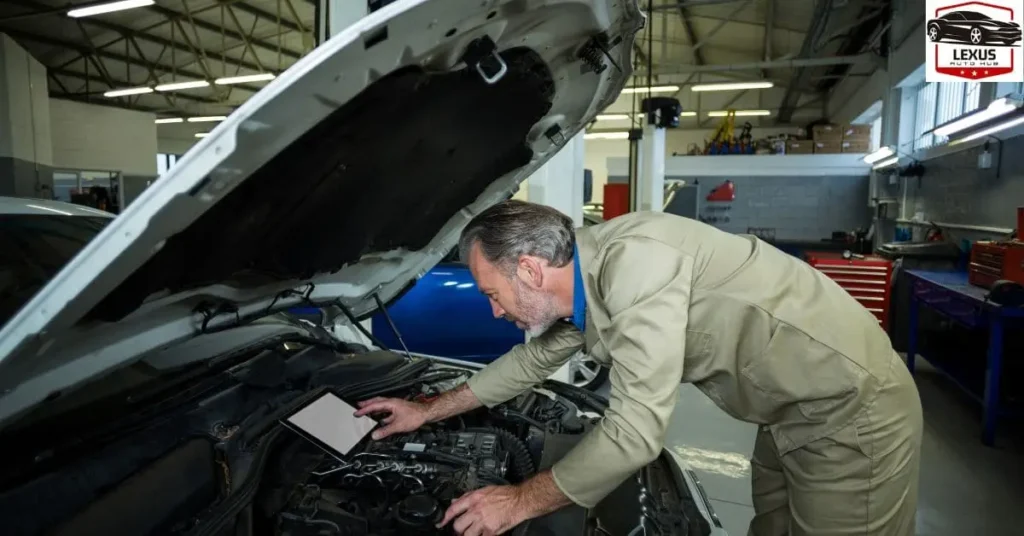
The gasoline engine in your Lexus plug-in hybrid requires regular oil changes, though intervals may differ from conventional vehicles. Because many owners operate extensively in EV mode, actual engine runtime may be far lower than odometer mileage suggests.
Modern Lexus PHEV models calculate oil change requirements based on engine hours, operating conditions, and oil quality sensors rather than simple mileage.
Synthetic oil is mandatory in most PHEV applications due to extended service intervals and the unique thermal cycles these engines experience. The frequent start-stop operation as the vehicle transitions between electric and hybrid modes creates different stress patterns than conventional driving, making premium lubricants essential for longevity.
Don’t extend oil change intervals beyond manufacturer recommendations even if engine runtime seems low. Oil serves multiple functions beyond lubrication—it suspends contaminants, neutraliser acids, and prevents corrosion. These functions occur even when the engine sits idle, making time-based service intervals important alongside mileage-based schedules.
Also Read: 10 Facts Are lexus Reliable You Should Know
Fuel System Maintenance and Fuel Quality Considerations
Gasoline ages poorly, especially in plug-in hybrid SUV applications where fuel may sit in the tank for extended periods. Your Lexus PHEV model includes fuel system programming that encourages fuel consumption before significant degradation occurs, but owner awareness helps prevent issues.
Use top-tier gasoline from reputable stations offering fuel with detergent additives that keep injectors and intake valves clean. The direct injection systems in modern Lexus engines are particularly sensitive to fuel quality. Poor fuel contributes to carbon buildup that impacts performance and efficiency.
If you anticipate extended periods without driving—vacation, seasonal storage, or other circumstances—consider fuel stabilizer addition and ensuring the tank is full rather than nearly empty. A full tank minimizes condensation, while stabilizer prevents degradation. Before storage, run the gasoline engine in hybrid mode to circulate treated fuel through the system.
Emission System Care and Catalytic Converter Protection
The emission control systems in your Lexus plug-in hybrid work harder than conventional vehicles in some respects. Frequent cold starts as the engine cycles on and off prevent the catalytic converter from reaching optimal temperature consistently. The vehicle’s programming manages this through strategic engine operation, but owner habits influence system longevity.
Periodic highway driving in hybrid mode allows the emission system to reach full operating temperature, burning off accumulated deposits and ensuring proper catalyst function. Even if your daily commute occurs entirely in electric-only driving, occasional longer trips benefit emission system health.
The oxygen sensors, catalytic converters, and exhaust components are protected under extended warranty coverage in many cases, but this doesn’t eliminate maintenance importance. Unusual exhaust odors, declined fuel efficiency in hybrid mode, or check engine warnings related to emission systems require prompt professional attention.
Brake System Maintenance for Lexus Luxury SUV
Understanding Regenerative Braking Impact
The regenerative braking system in your Lexus PHEV model fundamentally changes brake maintenance requirements. Rather than friction brakes alone converting kinetic energy to heat, the electric motor functions as a generator during deceleration, capturing energy and returning it to the battery while slowing the vehicle.
This means your traditional brake components—pads, rotors, calipers—experience dramatically reduced wear. Many plug-in hybrid owners report original brake pads lasting 100,000 miles or more, compared to 30,000-50,000 miles in conventional luxury SUV applications. This extended life represents significant maintenance cost savings over ownership.
However, reduced use creates unique challenges. Brake components that activate infrequently may develop corrosion on rotors or seized caliper pins. Your Lexus plug-in hybrid programming periodically applies friction brakes even when regenerative braking could handle deceleration alone, preventing these issues through regular component exercise.
Brake Fluid Service and Hydraulic System Care
Despite reduced friction brake usage, brake fluid service remains critical on time-based intervals. Brake fluid is hygroscopic—it absorbs moisture from the atmosphere over time regardless of actual usage. This moisture lowers boiling points and promotes internal corrosion, creating safety risks.
Most manufacturers recommend brake fluid replacement every 2-3 years regardless of mileage. This interval applies equally to your Lexus PHEV model despite the reduced brake component wear. The brake inspection during regular services includes fluid testing to verify it remains within acceptable specifications.
The hydraulic brake system in PHEV applications integrates with regenerative systems through sophisticated electronics. This complexity makes professional brake service essential—attempting DIY brake work without proper training and equipment specific to hybrid brake systems risks system malfunction or safety compromise.
Optimizing Brake System Longevity
Your driving style influences brake component life significantly. Maximizing regenerative braking usage through anticipatory driving—coasting to stops rather than aggressive last-moment braking—extends component life while improving fuel efficiency and electric range.
Most Lexus plug-in hybrid models offer adjustable regenerative braking strength. Experiment with available settings to find the balance between maximum energy recovery and comfortable deceleration feel. Stronger regenerative settings reduce friction brake usage further, though they require adjustment to the driving experience.
In mountainous terrain or when towing (if your model’s towing capacity permits trailer use), the vehicle may rely more heavily on friction brakes to supplement regenerative capability. These demanding conditions warrant more frequent brake inspection to ensure components remain within acceptable wear limits.
Tire and Suspension Maintenance for Your Lexus Luxury SUV
Tire Selection and Maintenance for Plug-In Hybrid SUVs
Tire selection for your Lexus PHEV model requires attention to specifications beyond basic sizing. The additional weight from battery systems—typically 400-600 pounds depending on model—creates different load requirements than conventional luxury SUV variants. Always select tires rated for your vehicle’s actual weight, not just matching dimensions.
Low rolling resistance tires maximize EV range and fuel efficiency without sacrificing safety or cabin build quality comfort. Many tire manufacturers offer specific models engineered for electrified vehicles, balancing range optimization with the quiet operation expected in luxury hybrid SUV applications.
Tire rotation intervals should follow manufacturer recommendations strictly—typically every 5,000-7,500 miles. The instant electric torque available in EV mode can accelerate tire wear, particularly on front tires that handle both steering and drive forces. Regular rotation equalizes wear patterns and maximizes tire lifespan.
Suspension Component Inspection and Replacement
The added weight of battery systems places additional demands on suspension components in your Lexus plug-in hybrid. Shock absorbers, struts, control arm bushings, and other components may require replacement earlier than in conventional models, though Lexus engineering accounts for this in component specification.
Annual suspension inspection during regular maintenance identifies developing issues before they impact safety or cabin build quality refinement. Listen for unusual noises over bumps, pay attention to changes in handling precision, and note any degradation in ride quality that might indicate worn components.
Wheel alignment deserves particular attention in PHEV applications. The instant torque available from the electric motor can highlight alignment issues that might remain subtle in conventional vehicles. Uneven tire wear, steering pull, or reduced real-world range due to increased rolling resistance all suggest alignment verification.
Seasonal Maintenance Considerations for Lexus Luxury SUV
Winter Preparation and Cold Weather Range Management
Cold weather range loss affects all plug-in hybrid vehicles as battery chemistry becomes less efficient at low temperatures and cabin heating demands increase. Proper winter preparation minimizes these impacts while protecting your Lexus PHEV model from season-specific issues.
Pre-conditioning the cabin while plugged in before departure allows heating without depleting the battery. Your infotainment system allows scheduling or remote activation, ensuring comfort without sacrificing electric range. This strategy can recover 15-25% of winter range loss in typical cold weather conditions.
Winter tire installation improves safety in snow and ice while marginally impacting fuel efficiency. The safety benefits far outweigh minor efficiency reductions. Ensure winter tires match weight ratings for your specific plug-in hybrid SUV model, as standard passenger car winter tires may not suffice.
Battery cooling system coolant check before winter ensures proper mixture ratios. The battery thermal management system actually warms batteries in extreme cold to maintain performance. Proper coolant mixture prevents freezing while allowing optimal heat transfer for both warming and cooling functions.
Summer Preparation and Heat Management
Extreme heat challenges PHEV systems differently than cold. Battery thermal management works harder to prevent overheating, consuming energy that reduces EV range. Parking in shade when possible and using windshield sunshades minimize cabin heat buildup, reducing cooling demands.
The air conditioning system’s efficiency directly impacts electric-only driving range. Regular cabin air filter replacement ensures optimal airflow, allowing the climate system to function efficiently. Consider having the AC system performance verified annually before summer to identify refrigerant leaks or reduced capacity.
Summer brings road trip season, placing different demands on your Lexus plug-in hybrid than typical daily commute patterns. Before extended highway driving, verify coolant check status for both engine and battery cooling systems. Highway speeds and summer heat represent maximum thermal stress for these systems.
Year-Round Exterior and Interior Care
Cabin build quality preservation requires regular interior maintenance. The premium materials in your luxury SUV demand appropriate care—leather conditioning, fabric protection, and wood trim care following manufacturer recommendations. The quiet operation of electric-only driving makes interior quality even more noticeable, justifying maintenance attention.
Exterior care protects your investment’s appearance and resale value. Regular washing removes road salt, brake dust, and environmental contaminants. The charging port area deserves special attention—keep it clean and dry to prevent corrosion or electrical issues.
Paint protection film on high-impact areas—front bumper, hood leading edge, side mirrors—prevents stone chips that compromise appearance. The instant acceleration available from electric torque may encourage more spirited driving that increases stone chip exposure compared to conventional luxury SUV operation.
Working with Your Authorized Dealership for Lexus PHEV Model Maintenance
Selecting Qualified Service Centers
Your Lexus PHEV model demands service from technicians specifically trained in plug-in hybrid systems. Not all service centers possess the equipment, training, or high-voltage safety certification required for proper PHEV maintenance. Always verify your chosen facility’s hybrid qualification before authorizing service.
Authorized dealership service centers employ factory-trained technicians with access to Lexus-specific diagnostic equipment, software update capabilities, and genuine parts engineered specifically for your vehicle. While independent shops may offer lower prices, the specialization required for plug-in hybrid SUV maintenance often justifies dealership service.
Establish a relationship with a specific service advisor who understands PHEV ownership patterns. Communicate your driving habits—how much electric-only driving versus hybrid mode operation you typically experience—so they can tailor maintenance recommendations appropriately. Not all Lexus plug-in hybrid owners use their vehicles identically.
Understanding Maintenance Plan Benefits
Many Lexus PHEV models include complimentary maintenance plan coverage for initial service intervals. These plans typically cover oil changes, tire rotations, multi-point inspections, and sometimes brake inspection services. Understanding exactly what your plan includes prevents unexpected service costs.
Maintenance plan coverage usually requires adherence to specific service intervals at authorized facilities. Missing scheduled services may void remaining plan benefits. Maintain records of all service visits, even if performed while traveling away from your regular dealership, to document compliance with maintenance requirements.
Some plans include software update services that enhance vehicle performance over time. These updates may improve battery management algorithms, refine power delivery characteristics, or enhance infotainment system functionality. Keeping updates current optimizes your Lexus PHEV model experience.
Addressing Warranty Coverage Questions
Understanding your warranty coverage prevents confusion when issues arise. The comprehensive high-voltage warranty covering electrified components differs from basic vehicle warranty and powertrain warranty in coverage scope and duration. Request clear documentation of all warranty terms at purchase.
Battery capacity degradation claims under high-voltage warranty require documentation of proper maintenance. Keep all service records, including coolant check procedures, software update history, and scheduled maintenance completion. This documentation supports any future warranty claims should battery performance decline unexpectedly.
Warranty coverage may include roadside assistance specific to PHEV issues—battery failure, charging system problems, or hybrid system malfunctions. Familiarize yourself with how to access these services before you need them. Contact information should be in your owner’s manual and programmed into your infotainment system.
Cost Management and Long-Term Value Preservation
Calculating Total Ownership Costs
Evaluating maintenance costs requires looking beyond simple service invoice amounts. Factor in the reduced brake wear, less frequent gasoline engine component replacement, and extended service intervals that PHEV technology enables. Over 100,000 miles of ownership, these advantages offset any premium maintenance costs.
The reliability reputation of Lexus vehicles extends to their plug-in hybrid models. Owner reviews consistently report lower unexpected repair costs compared to German luxury hybrid SUV competitors. This reliability translates directly to reduced lifetime ownership costs despite potentially higher individual service visit costs.
Federal incentive and state incentive programs may include components beyond purchase rebates. Some jurisdictions offer reduced registration fees, HOV lane access without additional charges, or other ongoing benefits that reduce total ownership costs. Research all available programs in your area to maximize value.
Protecting Resale Value Through Maintenance
Meticulous maintenance documentation significantly enhances resale value for your Lexus PHEV model. Prospective buyers pay premiums for vehicles with complete service histories demonstrating proper care, particularly for plug-in hybrid models where battery health concerns influence purchasing decisions.
Keep a maintenance log recording every service—date, mileage, services performed, and facility information. Include receipts for all work, even minor items like cabin air filter replacement. This comprehensive record demonstrates responsible ownership and justifies higher asking prices.
Addressing minor issues promptly prevents them from becoming major problems that compromise resale value. Small paint chips, interior wear, or developing mechanical issues are far cheaper to address early than after they’ve progressed. Your luxury SUV should present in excellent condition at trade-in or sale time.
My Final Thoughts:
Maintaining your Lexus PHEV model—whether you’ve chosen the NX 450h+, RX 500h+, or TX 550h+—requires understanding the unique characteristics of plug-in hybrid technology while applying timeless maintenance principles.
The dual powertrain architecture combines the best aspects of electric and gasoline propulsion, but it also demands attention to both systems for optimal longevity.
Consistent charging habit discipline, adherence to scheduled maintenance intervals, and partnership with qualified service professionals form the foundation of successful PHEV ownership. The high-voltage warranty and maintenance plan benefits provided by Lexus offer protection and value, but only when you fulfill your responsibilities through proper vehicle care.
The maintenance approach outlined in this guide balances the specialized needs of electrified components with the conventional requirements of traditional luxury SUV systems.
By following these recommendations, you’ll maximize your electric range, preserve your fuel efficiency, protect your battery health, and ensure your Lexus plug-in hybrid delivers the quiet operation, refined power delivery, and exceptional reliability that attracted you to the brand.
Your investment in a Lexus PHEV model represents commitment to environmental responsibility without sacrificing luxury SUV capability or driving pleasure. Proper maintenance honors that investment, ensuring years of satisfying ownership while preserving the value for your eventual upgrade to your next vehicle.
The automotive landscape continues evolving toward electrification, and your experience maintaining this plug-in hybrid SUV prepares you perfectly for whatever technological advances lie ahead.
FAQs
Are Lexus SUVs expensive to maintain?
Lexus vehicles usually come with moderate upkeep costs. According to RepairPal data, the average repair cost is around $551 annual cost. These costs can vary depending on vehicle maintenance, vehicle model, and vehicle age.
Is the 2026 Lexus RX any good?
The overall sentiment for the 2026 Lexus RX is mixed. Owners praise its smooth ride, quiet ride, luxurious interior, and impressive technology features. However, some report a noisy engine and an underpowered engine.
What is the difference between Lexus 2025 and 2026?
The 2026 ES replaces the 2025 ES model’s V6 engine with a stronger hybrid and introduces all-electric options. It also offers a larger interior and a 14-inch touchscreen. Additionally, the Lexus Safety System+ 4.0 is included for enhanced safety.
Is the Lexus RX 350 a woman’s car?
Women love this SUV, but it is also a good buy for men. This SUV appeals to men buyers who are willing to set aside their macho tendencies. Gender perception plays a role in how the vehicle is viewed. It influences vehicle preference among different buyers. Overall, it is a solid choice in the buying decision process.
Is the Lexus RX350 high maintenance?
The RX 350 outperforms the industry average for luxury SUV models by $4,611 savings in expected costs. There is a 21.14% chance of a major repair probability, reflecting the repair likelihood over time. This performance is 17.37% better compared to similar vehicles in the same vehicle segment comparison.

I’m Kainat Ansari, with 3+ years immersed in everything Lexus—from advising first-time ES buyers to tracking down rare RC F Track Editions for performance enthusiasts. I combine technical knowledge of hybrid systems, F Sport packages, and cutting-edge safety tech with practical expertise in lease programs, certified pre-owned advantages, and real ownership costs. My goal is simple: help people understand why Lexus builds some of the most reliable, refined luxury vehicles on the road and find the perfect match for their lifestyle.