
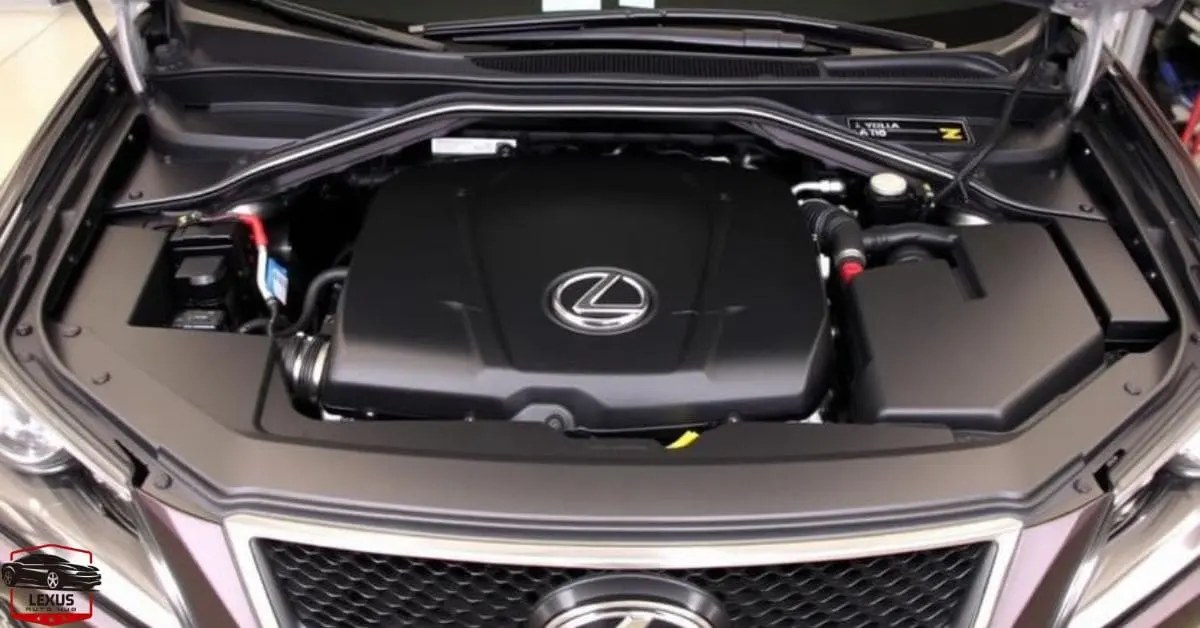
How to Service a Lexus NX Engine Properly 2026
Owning a Lexus NX is not just about driving a premium luxury SUV — it is about making a long-term commitment to quality.
Lexus NX engine, whether it runs on the 2.4-litre turbocharged petrol, the refined 2.5-litre hybrid system, or the plug-in hybrid variant, Lexus NX Engine is an engineering achievement that deserves to be maintained with the same level of care that went into building it.
Also Read: How to Decide on Lexus NX Colors 2026: A Full Guide
Short Answer About Lexus NX Engine
The Lexus NX engine is designed for a balance of performance, efficiency, and reliability. It typically comes with turbocharged 4-cylinder or hybrid powertrain options, delivering smooth acceleration and better fuel economy.
Lexus focuses on refined engine performance, low noise, and long-term durability. Regular maintenance, including timely oil changes and quality fuel use, helps keep the engine running efficiently.
Whether in city driving or on highways, the Lexus NX engine provides a comfortable and responsive driving experience, making it a strong choice for those who want both luxury and dependable performance in one vehicle.
Also Read: How to Maintain Lexus NX Model for Long Engine Life 2026
Understanding the Lexus NX Engine You Own

Before you open the bonnet, you need to understand exactly what type of Lexus NX engine sits beneath it. The 2022–2026 generation NX comes in three distinct powertrains, and each one has its own service requirements, quirks, and intervals. Treating a hybrid the same way you would treat a turbocharged petrol engine is a mistake that costs money and shortens engine life.
| Model | Engine Code | Output | Key Character |
|---|---|---|---|
| NX 350 | T24A-FTS | 279 hp | 2.4L Turbo, direct + port injection |
| NX 350h | A25A-FXS | 239 hp (combined) | 2.5L Atkinson-cycle hybrid |
| NX 450h+ | A25A-FXS | 306 hp (combined) | 2.5L plug-in hybrid, larger battery |
Each Lexus NX engine model has a different oil specification, different coolant type, different spark plug gap tolerance, and different recommended service interval.
The hybrid variants, for example, run the combustion engine far less frequently in city driving, which means the engine oil does not degrade at the same rate as a pure petrol car — but it does accumulate moisture more quickly because the engine never fully warms up on short runs. That is something many owners and even some independent garages miss entirely.
Also Read: How to Maintain Your Lexus NX 2010 for Longevity
Oil Change Intervals: What Lexus Says vs. What Actually Makes Sense
The official Lexus service interval for most NX models is 10,000 km or 12 months — whichever comes first — under normal driving conditions. The phrase “normal driving conditions” is where many owners trip up.
If you spend the majority of your time in stop-and-go city traffic, drive short distances regularly without fully warming the engine, or operate in extreme heat or cold, your Lexus NX engine is operating under “severe” conditions according to Lexus’s own definition. Under severe conditions, the recommended interval drops to 5,000 km.
Conditions that classify as “severe” for your Lexus NX engine
- Frequent short trips under 8 km where the engine never fully warms up
- Extended idling — common in traffic-heavy cities
- Towing or carrying heavy loads regularly
- Ambient temperatures consistently above 35°C or below 0°C
- Dusty or sandy environments (desert driving, unpaved roads)
- Hybrid owners doing mainly EV-mode city driving
For NX 350 owners with the turbocharged engine, there is an additional consideration: turbochargers are oil-fed components and they generate significant heat. After hard driving or highway runs, do not immediately switch off the engine.
Give it two to three minutes of idling to allow oil to continue circulating through the turbo bearing before shutdown. It is a small habit that dramatically extends turbocharger life.
Never mix different oil viscosities or use conventional (mineral) oil in a Lexus NX engine that specifies full synthetic. A one-time emergency top-up with a different grade is acceptable, but the oil should be fully changed at the earliest opportunity. Running mismatched oil types causes deposit buildup and accelerates wear.
Also Read: How to Use Lexus NX 350h Fuel Tank Capacity
Air Filtration and the Lexus NX Engine Breathing System

An engine is essentially an air-fuel processing machine. The air filter is the first line of defence, and when it becomes restricted, every other system inside the Lexus NX engine starts working harder. Fuel economy drops, throttle response becomes sluggish, and in turbocharged variants, boost pressure becomes inconsistent.
Lexus recommends inspecting the engine air filter every 40,000 km and replacing it at 80,000 km under normal conditions. However, if you live in a dusty region — or if your NX spends any meaningful time on unpaved roads — this interval should be halved at minimum.
A blocked filter costs almost nothing to replace. The fuel economy loss and potential mass airflow sensor damage from running a clogged one cost considerably more.
The Cabin Air Filter Often Forgotten, Always Important
Separate from the engine air filter is the cabin air filter, which protects the climate control system and interior air quality. It has no direct effect on engine performance, but a clogged cabin filter strains the HVAC blower motor — an indirect load on the electrical system.
On hybrid variants especially, where energy management is carefully balanced, keeping all ancillary loads clean and efficient matters. Replace it every 15,000 km or annually, whichever is sooner.
Hold the engine air filter up to a bright light source. If you can see light clearly through the filter media, it still has life left. If the light is blocked or heavily diffused, replace it regardless of the mileage interval. Physical inspection always beats a calendar.
Also Read: How to Set Up Lexus NX Interior for the Best Driving 2026
Cooling System Service for the Lexus NX Engine

The Lexus NX engine runs at precisely controlled temperatures, and the cooling system is the mechanism that makes that possible.
There are two separate cooling circuits on hybrid models — one for the combustion engine and a separate lower-temperature circuit for the inverter and electric motor system. Both require attention, and confusing one for the other during a coolant change is a mistake with expensive consequences.
Lexus uses its own Super Long Life Coolant (SLLC), which is a pink-coloured ethylene glycol formula. It is factory-filled at a 50/50 dilution with distilled water and is rated for 160,000 km or 11 years on the first change interval. After that, it should be replaced every 80,000 km or five years. Do not substitute with generic green or blue coolant — the chemistry is different and incompatible, leading to corrosion of aluminium components inside the Lexus NX engine block and cooling passages.
Also Read: How to Find the Best New Lexus NX for Sale 2026 in Your Area
Signs the Cooling System Needs Attention
- Temperature gauge creeping higher than normal If the engine temperature gauge starts sitting closer to the upper half of the normal range rather than the lower-middle, do not ignore it. Check coolant level when cold and inspect the reservoir for any brown or oily contamination.
- Sweet smell from the engine bay Ethylene glycol has a distinctive sweet, slightly syrupy smell. If you notice this after a drive, inspect hose connections, the reservoir cap seal, and the radiator fins for any sign of dried residue or a slow leak.
- Heater producing lukewarm air in cold weather The cabin heater draws heat from the engine coolant. If it is underperforming, it can indicate low coolant level, a stuck open thermostat, or a developing blockage in the heater core.
- Coolant warning light The Lexus NX will illuminate a coolant temperature warning if the system reaches a critical temperature. At this point, pull over safely, switch off the engine, and do not open the reservoir until everything has cooled down completely — at least 30 minutes.
Spark Plugs and Ignition Service on the Lexus NX Engine

Both the turbocharged and hybrid variants of the Lexus NX engine use iridium-tipped spark plugs as original equipment. Iridium plugs are far more durable than standard copper plugs and require less frequent replacement, but they do not last forever.
Lexus specifies a replacement interval of 120,000 km for the iridium plugs fitted to both the 2.4 turbo and the 2.5 hybrid engine.
However, there are situations where early replacement makes sense. If the engine has developed a noticeable misfire, if fuel consumption has increased without obvious cause, or if the vehicle has been running on poor-quality fuel for an extended period, inspecting the plugs at 80,000 km is worthwhile.
Worn plugs on a turbocharged engine can also cause pre-ignition events under boost, which is a fast route to damaged pistons.On the NX 350 with the T24A-FTS engine, spark plug removal requires reaching past several components.
It is possible as a DIY task but time-consuming. Ensure the engine is completely cold before starting — attempting to remove plugs from a warm aluminium head risks cross-threading. Torque to specification (18 Nm) on reinstallation, no exceptions.
Also Read: 2023 Lexus GX 460 Towing Capacity: How to Find Out Exact
Timing System and Lexus NX Engine Belt vs. Chain
This is a question that creates genuine confusion among Lexus NX owners, and the answer matters significantly for your long-term service budget. Both the A25A-FXS hybrid engine and the T24A-FTS turbocharged engine use a timing chain — not a timing belt. This is excellent news.
Timing chains are designed to last the life of the engine under normal conditions and proper lubrication. There is no manufacturer-specified replacement interval. What this means in practical terms is that you will never face the £400–700 timing belt replacement cost that afflicts many European competitors.
However, “lasting the life of the engine” is conditional on regular oil changes. The timing chain and its tensioner are lubricated entirely by engine oil. Run old, degraded oil for too long and the chain will stretch and the tensioner will lose its ability to maintain proper tension — leading to rattles at startup, timing errors, and eventually catastrophic engine failure.
The message here is simple: the Lexus NX engine’s timing chain is a lifetime component only if you treat the engine oil like it matters. Which, of course, it does.
Hybrid-Specific Lexus NX Engine Service Points
Owners of the NX 350h and NX 450h+ face a slightly more complex service picture than those with the turbocharged petrol model. The combustion engine in these vehicles works in tandem with electric motors, and understanding how that partnership affects service needs is important.
Inverter Coolant
As mentioned earlier, the hybrid system has a separate cooling circuit for the power electronics — inverter, motor generators, and the voltage conversion unit.
This circuit uses a different coolant specification (Lexus SLLC, same chemical formula but the system should not be cross-contaminated with the engine circuit). The inverter coolant has its own reservoir, typically located near the main engine coolant reservoir. It should be inspected at every service and changed at the same intervals as the engine coolant.
Regenerative Brake System and Engine Braking
Hybrid Lexus NX models use regenerative braking extensively — the electric motors slow the vehicle and convert kinetic energy back into battery charge. Because the traditional friction brakes are used far less aggressively than in a conventional car, brake pads and rotors last considerably longer. However, this also means the brake system is more complex.
Brake fluid should still be replaced every two years regardless of mileage, as it is hygroscopic and absorbs moisture over time regardless of how hard the brakes work.
Hybrid-specific service checklist — Lexus NX engine 350h / 450h+
- Inspect inverter coolant level and condition every service
- Check high-voltage battery cooling inlet (usually under rear seat) for lint and debris annually
- Confirm brake fluid condition every 24 months regardless of mileage
- Inspect 12V auxiliary battery condition — this is separate from the hybrid drive battery and often overlooked
- Run engine at highway speeds at least monthly to fully warm combustion engine and evaporate accumulated moisture in oil
- Monitor for any hybrid system warning codes at scheduled service intervals via OBD-II scanner
Fuel System Care for Your Lexus NX Engine
The fuel system in the Lexus NX engine — particularly the direct injection components on both the hybrid and turbo models — is sensitive to fuel quality. Lexus recommends 95 RON or higher for the NX 350 turbocharged variant, and 91 RON minimum for hybrid models.
Running below the recommended octane rating causes the engine management system to retard ignition timing, reducing performance and, over time, contributing to carbon deposit buildup on intake valves.
Direct injection engines have a known characteristic: because fuel is injected directly into the cylinder rather than the intake port, the back of the intake valves never gets washed with fuel, and oily deposits accumulate there over time.
This is a design trait, not a defect. However, it can be managed. Using a quality fuel system cleaner added to the tank every 25,000 km helps reduce this buildup. At 80,000–100,000 km, a professional walnut shell blasting of the intake valves is worth considering, though many owners run to 150,000 km before this becomes necessary.
Full Service Schedule Lexus NX Engine at a Glance
| Service Item | Interval (Normal) | Interval (Severe) | Notes |
|---|---|---|---|
| Engine oil & filter | 10,000 km / 12 mo | 5,000 km / 6 mo | 0W-20 full synthetic only |
| Engine air filter | Inspect 40k, replace 80k | Inspect 20k, replace 40k | Earlier in dusty conditions |
| Cabin air filter | 15,000 km / 12 mo | 10,000 km / 6 mo | Affects HVAC load |
| Spark plugs (iridium) | 120,000 km | 80,000 km | Both turbo & hybrid engines |
| Engine coolant | 160,000 km first change | 80,000 km thereafter | Lexus SLLC pink only |
| Brake fluid | Every 24 months | Every 24 months | Regardless of mileage |
| Transmission fluid (CVT/AT) | Inspect at 80,000 km | Change at 80,000 km | Sealed unit, Lexus fluid only |
| Inverter coolant (hybrid) | Same as engine coolant | Same intervals | Do not mix circuits |
| Drive belt (serpentine) | Inspect every service | Inspect every service | Replace on any crack or glazin |
Choosing Where to Service Your Lexus NX Engine

This is a conversation every Lexus NX owner eventually has. Authorised Lexus dealerships have trained technicians, genuine parts, and access to Lexus’s proprietary diagnostic software — the Lexus IT-II scanner and, on newer models, the Techstream platform.
These tools can read hybrid system codes, battery state-of-health data, and inverter fault codes that a standard OBD-II reader simply cannot access. For hybrid-related work, this matters a great deal.
Independent specialists with Toyota/Lexus hybrid training represent a genuine middle ground. They typically charge less than main dealers while maintaining the technical competence required for hybrid system work. The key is confirming their experience with hybrid NX models specifically — not just conventional Toyotas.
DIY servicing is entirely viable for straightforward tasks: oil changes, filter replacements, spark plugs, visual inspections.
The Lexus NX engine bay is reasonably accessible for these jobs, and the oil filter housing on most variants is top-mounted, making changes cleaner and easier than many alternatives. For anything involving the hybrid high-voltage system, professional work is the only sensible option — the high-voltage battery and inverter circuit operate at potentially lethal voltages.
Always request that any workshop performing service on your Lexus NX engine uses genuine Lexus or OEM-equivalent parts for oil filters, coolant, and transmission fluid. The cost difference is small. The quality difference, particularly for seals and fluid specifications, can be significant over time.
MY Final Thoughts:
The Lexus NX engine, in any of its current forms, is among the most thoughtfully engineered powerplants in the premium compact SUV segment.
It is not an engine that demands constant attention or expensive surprises — but it does ask for consistency. Regular oil changes with the right specification, clean filters, proper coolant maintenance, and the occasional look at spark plugs and drive belts are all it takes to keep this engine running at the level Lexus designed it to.
The hybrid models carry slightly more complexity, but they reward careful owners with exceptional longevity.
There are NX and RX hybrid models from earlier generations with well over 300,000 km on the original engine and drivetrain components, requiring nothing beyond routine service items. That kind of reliability does not happen by accident — it is the direct result of consistent, correct maintenance.
In 2026, with fuel prices, parts costs, and service rates all trending upward, protecting your investment with proper engine care is not optional. It is the most cost-effective decision you can make as a Lexus NX owner.
Follow the intervals, use the right fluids, and the Lexus NX engine will repay you with years of faultless performance. This article is for informational purposes. Always consult a qualified technician for your specific vehicle.
FAQs
How often does a Lexus NX need an oil change?
Regular oil changes are essential to keep your Lexus NX engine running smoothly and efficiently. Most Lexus vehicles require an oil change every 5,000 to 10,000 miles or at least every 6 months, depending on driving conditions.
How much does it cost to service a Lexus NX?
A Lexus NX will cost about $7,712 for maintenance and repairs during its first 10 years of service. This beats the industry average for luxury SUV models by $4,741. There is also a 21.14% chance that a NX will require a major repair during that time. This is 17.37% better than similar vehicles in this segment
How long can a Lexus go without an oil change?
In an effort to keep your luxury car or luxury SUV running at optimal performance levels, our Lexus service center in Bridgewater recommends changing your Lexus oil every 10,000 miles, except for vehicles using non-synthetic oil, which has a 5,000-mile service interval.
Is Lexus basically a luxury Toyota?
The Lexus brand is the luxury division of the Toyota Motor Corporation, a Japanese automaker. Lexus vehicles were initially developed for the American market and debuted there to the enthusiasm of drivers before eventually being sold in other markets around the world.
What rank is Lexus in luxury?
According to the J.D. Power Initial Quality Study, Lexus ranks as the top luxury car brand for reliability. With a score of 166 problems per 100 vehicles (PP100), Lexus leads the.

I’m Fiza Ansari, a Lexus specialist with 2+ years of experience helping drivers find their perfect luxury vehicle. From the sporty RC F to the elegant ES sedan and family-friendly RX—I know each model thoroughly. My expertise covers performance features, ownership costs, leasing options, and certified pre-owned benefits. Whether you’re a first-time luxury buyer or upgrading to an F Sport model, I provide honest guidance to help you make the right choice for your lifestyle and budget.