
Lexus Types 2026: A Guide to Understanding Different
When you walk into a Lexus dealership, the sheer variety of vehicles can feel overwhelming. Lexus Types From sleek sedans to commanding SUVs, the Japanese luxury automaker offers something for nearly every driving preference and lifestyle.
Understanding the different Lexus types available helps you make an informed decision that aligns with your needs, whether you’re seeking fuel efficiency, spacious cargo capacity, or pure driving pleasure.
Lexus has built its reputation on reliability, comfort, and refined engineering. Since Toyota launched the luxury brand in 1989, it has evolved from offering just two models to presenting a comprehensive lineup that competes with established European luxury marques.
Each vehicle type serves a distinct purpose, and knowing these differences makes all the difference when choosing your next car.
Short Answer About Lexus Types
Lexus types cover a wide range of luxury vehicles designed for different needs. Sedans like the IS, ES, and LS focus on comfort and style. SUVs such as the RX, NX, GX, and LX offer versatility and space.
There are also hybrid models for efficiency and performance models in the F series for sportier driving. Each type emphasizes luxury, reliability, and advanced technology.
Also Read: Lexus Luxury SUV 2026: A Guide to Maintaining
Understanding Lexus Types: The Brand’s Vehicle Philosophy

Before diving into specific models, it’s worth understanding how Lexus approaches vehicle design. The brand doesn’t simply create cars; it crafts experiences. Every Lexus type reflects a commitment to what the company calls “Takumi” craftsmanship—a Japanese philosophy emphasizing mastery and attention to detail.
The naming convention itself tells a story. Lexus uses letters to indicate vehicle type: ES for executive sedan, RX for recreational crossover, and so on. Numbers typically reflect engine displacement or positioning within the lineup.
An “h” suffix denotes hybrid powertrains, while “F” designates performance-oriented variants. Understanding this system helps decode what each model offers before you even sit in the driver’s seat.
Sedan Lexus Types: Elegance Meets Performance
Sedans form the traditional backbone of luxury automotive lineups, and Lexus offers several compelling options in this category. Each sedan type caters to different buyer priorities, from compact efficiency to full-size opulence.
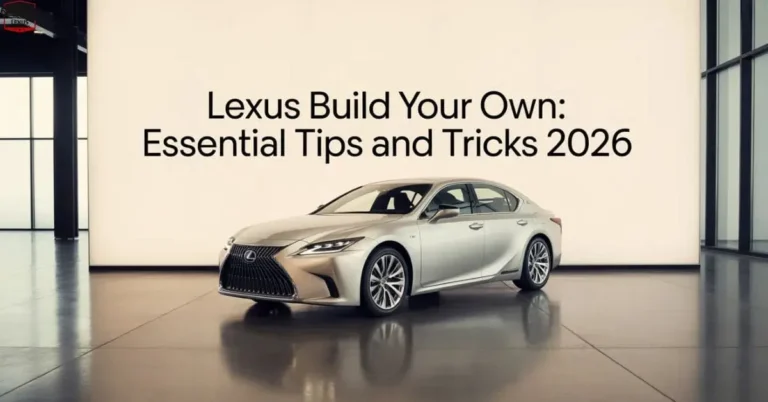
The ES represents Lexus’s best-selling sedan globally. This executive sedan prioritizes comfort above all else, featuring a whisper-quiet cabin, plush seating, and smooth ride quality. The ES appeals to buyers who spend significant time commuting or traveling for business.
Its spacious rear seats make it popular among those who occasionally ride in the back seat. The hybrid ES 300h variant delivers impressive fuel economy without sacrificing the serene driving experience.
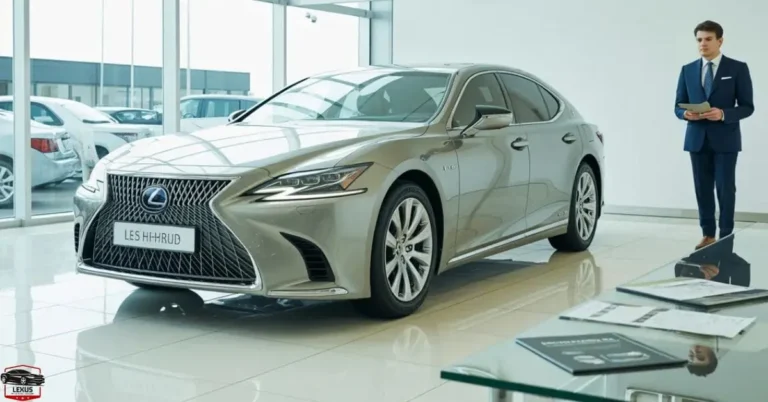
Moving up the ladder, the LS serves as Lexus’s flagship sedan. This full-size luxury cruiser competes directly with the Mercedes-Benz S-Class and BMW 7 Series. The LS showcases everything Lexus knows about comfort, technology, and refinement.
Features like available Mark Levinson audio systems, executive rear seating with massage functions, and advanced driver assistance technologies make the LS a mobile sanctuary. Buyers choosing this sedan type value presence, space, and the finest materials Lexus offers.
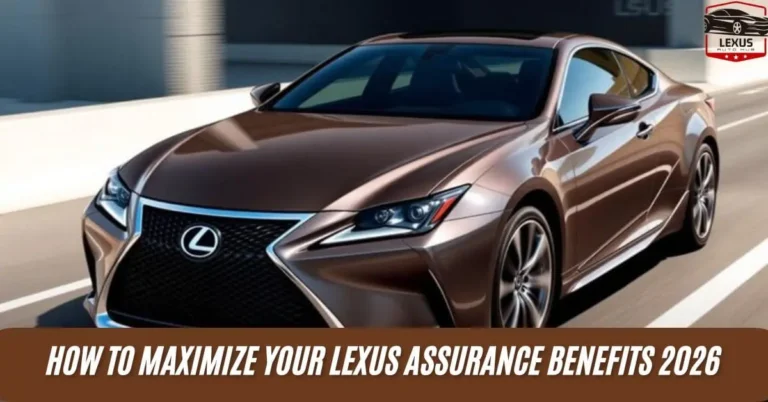
For those seeking sportier dynamics, the IS fills that role admirably. This compact sport sedan targets drivers who want luxury but refuse to compromise on handling. The IS features rear-wheel drive (or available all-wheel drive), responsive steering, and a more aggressive design language.
It’s the Lexus type for enthusiasts who enjoy twisty roads and spirited driving while still appreciating quality materials and reliability.
Also Read: How to Choose the Right Lexus PHEV Model for You 2026
SUV and Crossover Lexus Types: Versatility Redefined

Sport utility vehicles and crossovers have become the dominant force in automotive sales, and Lexus offers an extensive range spanning from compact to full-size options.
The UX represents Lexus’s entry into the subcompact luxury crossover segment. This urban-friendly vehicle type excels in city environments where parking spaces come at a premium. Despite its compact footprint, the UX doesn’t feel cramped inside.
The available UX 250h hybrid delivers excellent fuel economy, making it perfect for environmentally conscious buyers or those with lengthy daily commutes. Its distinctive styling catches eyes, while its maneuverability makes tight spaces manageable.
The NX occupies the sweet spot for many buyers—a compact luxury crossover that balances size, efficiency, and capability. This Lexus type has proven wildly popular, offering just enough space for small families while remaining easy to drive and park.
Available in turbocharged, hybrid, and plug-in hybrid variants, the NX caters to various powertrain preferences. The available all-wheel drive system provides confidence in challenging weather conditions.
Stepping up in size, the RX has been a sales phenomenon since its introduction in 1998. This midsize luxury crossover essentially created the segment, showing the world that luxury and utility could coexist beautifully.
The RX accommodates five passengers comfortably, with available third-row seating in the RX L variant expanding capacity to seven. Families appreciate the generous cargo space, smooth ride, and extensive safety features. The RX remains the best-selling Lexus in North America, testament to its broad appeal.
For those needing maximum space, the TX represents Lexus’s newest three-row crossover. Introduced for the 2024 model year, this Lexus type specifically targets families requiring genuine three-row capability.
Unlike the RX L, where the third row feels like an afterthought, the TX provides comfortable seating for adults in all three rows. It’s the Lexus answer to the Acura MDX and Infiniti QX60.
Also Read: How to Maximize Lexus TX Hybrid MPG Efficiency
The GX takes a different approach entirely. Built on a traditional body-on-frame truck platform, this midsize SUV emphasizes off-road capability and rugged durability. While it rides smoother than dedicated off-roaders, the GX can venture far beyond pavement when adventure calls.
Buyers choosing this Lexus type typically value towing capability, genuine 4WD systems, and the confidence to explore unpaved roads.
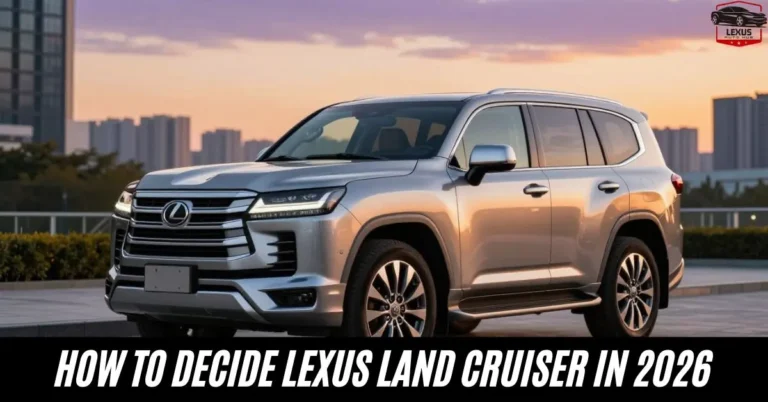
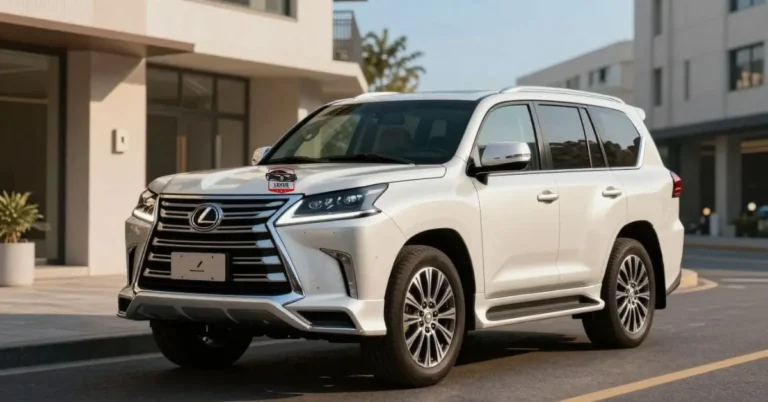
At the top of the SUV hierarchy sits the LX, Lexus’s flagship three-row SUV. Based on the legendary Toyota Land Cruiser platform, the LX combines luxury with remarkable capability.
This full-size SUV can seat up to seven passengers in supreme comfort while tackling challenging terrain that would stop most luxury vehicles. It’s the Lexus type for buyers who refuse to choose between luxury and capability.
Performance Lexus Types: The F Brand Experience
Lexus hasn’t forgotten driving enthusiasts. The F performance line represents the brand’s commitment to speed and handling, offering vehicles that compete with German performance divisions like BMW M and Mercedes-AMG.
The RC F serves as Lexus’s performance coupe, featuring a naturally aspirated V8 engine that produces a glorious soundtrack. In an era where turbocharged engines dominate, the RC F’s 5.0-liter V8 feels refreshingly old-school.
This Lexus type appeals to purists who appreciate immediate throttle response and linear power delivery. Available carbon fiber components and track-tuned suspension make it genuinely capable on circuit courses.
The IS 500 F Sport Performance brings V8 power to the compact sedan platform. This vehicle bridges the gap between standard F Sport models and full F variants, offering serious performance in a practical four-door package. Daily drivability remains high despite the potent powertrain.
For the ultimate Lexus performance experience, limited-edition F models occasionally appear. These rare vehicles push boundaries even further, incorporating motorsport-derived technologies and exotic materials. They represent the pinnacle of what Lexus can achieve when performance becomes the primary objective.
Also Read: How to Improve Your Lexus ES MPG Efficiency 2026
Hybrid and Electric Lexus Types: Sustainable Luxury
Environmental consciousness increasingly influences vehicle purchases, and Lexus has invested heavily in alternative powertrains. The brand pioneered luxury hybrids with the RX 400h in 2005 and continues expanding electrified options.
Nearly every major Lexus type now offers a hybrid variant. These powertrains combine gasoline engines with electric motors for improved fuel economy without sacrificing performance. The technology has matured beautifully—modern Lexus hybrids operate seamlessly, with transitions between power sources nearly imperceptible.
The UX 300e represents Lexus’s first battery-electric vehicle, though availability remains limited to certain markets. As the automotive industry shifts toward electrification, expect Lexus to introduce additional pure electric types in coming years. The brand has announced ambitious plans to expand its battery-electric lineup significantly by 2030.
Plug-in hybrid variants, like the NX 450h+, offer a middle ground between conventional hybrids and full EVs. These vehicles allow limited electric-only driving for short trips while maintaining gasoline range for longer journeys. They appeal to buyers wanting to reduce fuel consumption without range anxiety.
Also Read: Lexus SUV Towing Capacity: How to Determine
Choosing Between Different Lexus Types: Key Considerations

With such variety available, selecting the right Lexus Types requires honest assessment of your needs and priorities. Consider how you’ll actually use the vehicle rather than imagining ideal scenarios that rarely occur.
Daily driving conditions matter significantly. Urban dwellers benefit from compact types like the UX or IS, which navigate tight spaces effortlessly. Suburban families might prefer the spacious RX or TX. Rural buyers or those with long highway commutes may appreciate the range and comfort of larger sedans like the ES or LS.
Passenger and cargo requirements narrow choices considerably. Hauling kids to soccer practice and loading camping gear demands different capabilities than commuting solo to an office. Be realistic about how much space you genuinely need versus occasionally want.
Performance preferences separate enthusiasts from comfort seekers. If you prioritize driving dynamics and enjoy spirited acceleration, F Sport or F models deliver. Those valuing serene, effortless cruising will prefer standard luxury variants with comfort-tuned suspensions.
Budget considerations extend beyond purchase price. Larger vehicles typically cost more to insure, maintain, and fuel. Hybrid types often carry higher initial costs but may save money long-term through reduced fuel consumption. Consider total ownership costs rather than just monthly payments.
Also Read: Mastering Lexus AWD: A Comprehensive Guide
The Future of Lexus Types: What’s Coming Next
The automotive landscape continues evolving rapidly, and Lexus Types is adapting. Electrification will play an increasingly central role, with the brand committed to offering electric variants across its lineup. Expect to see battery-electric versions of popular types like the RX and ES in coming years.
Autonomous driving technologies will gradually become more sophisticated. While fully self-driving cars remain years away, advanced driver assistance features will continue improving. Future Lexus types will likely offer increasingly capable semi-autonomous systems for highway driving and traffic situations.
Design language continues evolving as well. The controversial spindle grille has given way to more refined interpretations in recent models. Future Lexus types will likely feature cleaner, more minimalist aesthetics while maintaining the brand’s emphasis on craftsmanship and attention to detail.
Maintaining Different Lexus Types: Reliability and Longevity
One consistent trait across all Lexus types is exceptional reliability. The brand regularly tops dependability studies, with owners reporting far fewer problems than competitors. This reputation stems from conservative engineering approaches and rigorous quality control.
Maintenance requirements vary by model but generally remain reasonable for luxury vehicles. Hybrid types often experience less brake wear due to regenerative braking systems. Traditional models use conventional service intervals. Following recommended maintenance schedules ensures these vehicles deliver hundreds of thousands of miles of faithful service.
Warranty coverage provides additional peace of mind. Lexus offers comprehensive bumper-to-bumper coverage, powertrain warranties, and complimentary maintenance for initial years. Hybrid components receive extended warranty coverage, reflecting the brand’s confidence in this technology.
My Final Thoughts:
Choosing your Lexus ultimately comes down to aligning a vehicle’s strengths with your specific requirements. No single type suits everyone perfectly—that’s why the lineup offers such variety.
Test drive multiple models before deciding. Specifications and reviews provide valuable information, but nothing substitutes for seat time. Pay attention to visibility, seating comfort, control placement, and how the vehicle makes you feel. The right Lexus should feel like a natural extension of your lifestyle.
Consider long-term needs rather than just immediate circumstances. If you plan to start a family soon, that compact IS might feel cramped quickly. Conversely, don’t buy a massive LX if you rarely transport more than yourself and a passenger.
The beauty of the Lexus lineup lies in its diversity. Whether you need a nimble city runabout, a family hauler, a capable off-roader, or a performance machine, there’s a Lexus type engineered specifically for that purpose.
Each model represents decades of refinement and the brand’s unwavering commitment to quality, reliability, and luxury. Take your time, do your research, and you’ll find the perfect Lexus waiting for you.
FAQs
What lasts longer, Lexus or Acura?
In a Lexus vs Acura discussion, vehicle longevity is often highlighted in a reliability comparison. Lexus durability is generally emphasized, while Acura reliability is also well regarded. Both are considered long-lasting vehicles among luxury brands.
What is the top selling Lexus model?
The Lexus brand is known for producing luxury vehicles that emphasize reliability and advanced technology. Within the Lexus lineup, several best-selling models stand out. These include the Lexus RX, Lexus NX, and Lexus ES. Together, they represent some of the most popular Lexus models.
Which is more fun to drive, is or ES?
The Lexus IS and Lexus ES differ in a clear performance comparison as a Lexus sedan option. The Lexus IS focuses on a more dynamic driving experience with rear-wheel drive, tighter handling, and sportier tuning. In contrast, the Lexus ES emphasizes a smooth ride and relaxed ride.
Is Toyota ending Lexus?
The Lexus brand position within the Toyota luxury brand is changing due to a planned brand shuffle. This shift elevates Toyota Century from a premier luxury brand into an independent manufacturer.
What sort of people drive Lexus?
The Lexus luxury brand represents the long-term value of luxury for luxury car buyers and discerning buyers. It delivers a strong sense of opulence through a refined smooth drive and engaging driving experience.

I’m Kainat Ansari, with 3+ years immersed in everything Lexus—from advising first-time ES buyers to tracking down rare RC F Track Editions for performance enthusiasts. I combine technical knowledge of hybrid systems, F Sport packages, and cutting-edge safety tech with practical expertise in lease programs, certified pre-owned advantages, and real ownership costs. My goal is simple: help people understand why Lexus builds some of the most reliable, refined luxury vehicles on the road and find the perfect match for their lifestyle.