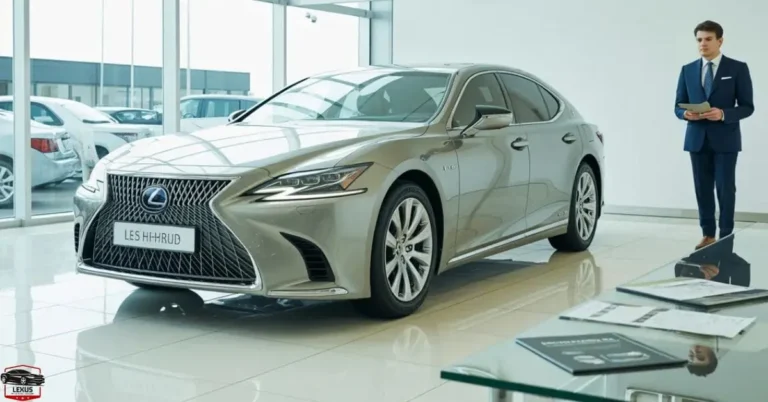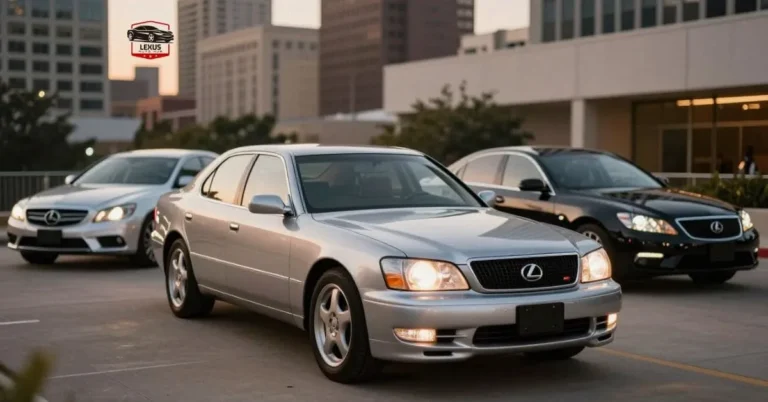
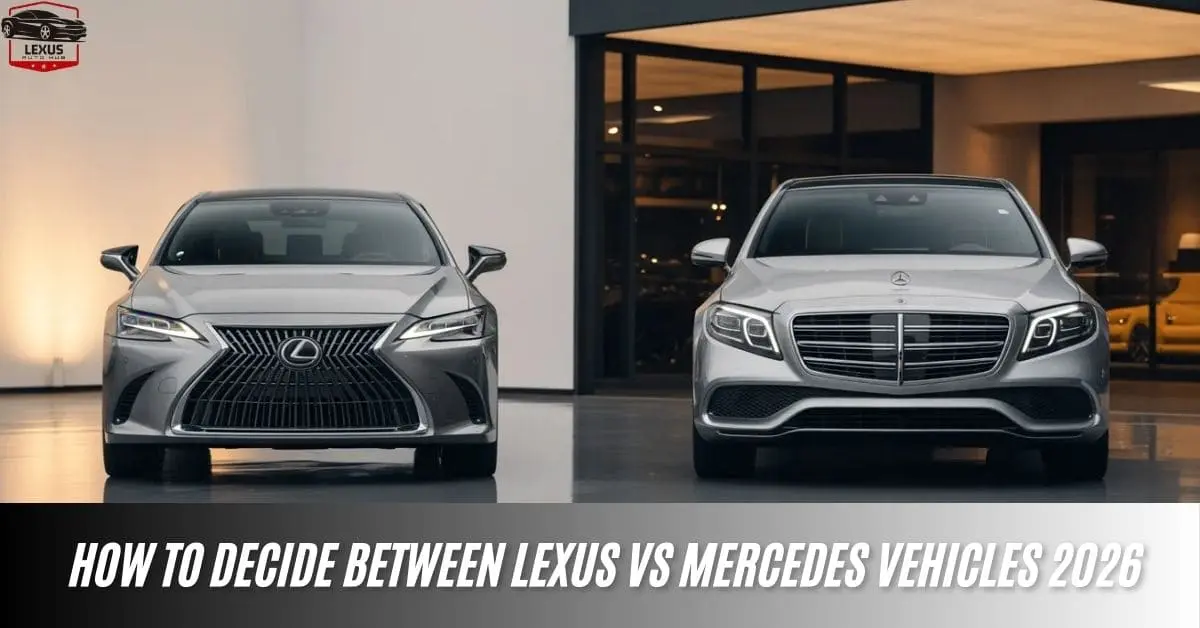
How to Decide Between Lexus Vs Mercedes Vehicles 2026
Standing in a luxury car showroom, you’re faced with a choice that goes beyond horsepower and leather seats. Lexus and Mercedes-Benz represent two distinct philosophies in automotive excellence, each with devoted followers who swear they’ve made the right decision.
The German engineering heritage of Mercedes-Benz carries a certain prestige—a brand that’s been synonymous with luxury since Karl Benz invented the automobile itself. Walk into any major city, and you’ll spot that three-pointed star commanding respect on the road. Meanwhile.
Lexus arrived on the scene in 1989 with a different promise: Japanese precision, remarkable reliability, and luxury without the drama of constant maintenance visits.
But here’s what makes this decision genuinely difficult—both brands deliver exceptional vehicles. Mercedes offers that visceral driving experience and cutting-edge technology that makes you feel like you’re piloting something special.
Lexus counters with near-bulletproof dependability and ownership costs that won’t have you questioning your life choices every time a service light appears.
Also Read: BMW 7 Series vs Lexus LS: How to Choose
Short Answer About Lexus Vs Mercedes
Choosing between Lexus and Mercedes comes down to what matters most in your daily driving life. Mercedes-Benz delivers that classic European luxury feel with sportier handling, cutting-edge technology, and undeniable prestige.
Though you’ll pay more for maintenance and repairs over time. Lexus built its reputation on exceptional reliability, lower ownership cost.
and a smoother, more comfortable ride that prioritizes serenity over sportiness. If you want a car that feels exciting to drive and don’t mind higher service bills, Mercedes is your match. If you value dependability, want to avoid frequent dealer visits, and prefer a more relaxed luxury experience, Lexus makes the smarter long-term choice.
Brand Philosophy and Heritage Lexus Vs Mercedes

Mercedes-Benz has built its reputation on innovation and performance. The German automaker consistently pushes boundaries with state-of-the-art features, including autonomous driving capabilities and Level 3 driving technology in select markets.
Their vehicles emphasize driving performance and handling, appealing to enthusiasts who want engagement behind the wheel alongside luxury features.
Lexus, Toyota’s luxury division, prioritizes long-term dependability and cabin comfort. The brand consistently tops reliability ratings and maintains lower maintenance costs compared to European competitors.
While Lexus has traditionally focused on refinement over sportiness, recent models demonstrate improved driving dynamics without sacrificing their core strengths in interior quality and user-friendly tech.
Also Read: How to Compare Lexus VS BMW Features Effectively 2026
Subcompact and Compact SUV Segments Lexus Vs Mercedes

Lexus Auto Hub, Mercedes-Benz enters the subcompact SUV market with the GLA, featuring a turbocharged engine and available all-wheel drive. The slightly larger GLB offers optional third-row seating, making it practical for growing families.
Both models emphasize sporty styling and agile handling while maintaining Mercedes’ signature luxury features.
Lexus doesn’t compete directly in the subcompact SUV space but offers the NX as its compact SUV. The NX comes with multiple powertrain options including turbocharged, hybrid powertrain, and plug-in hybrid SUV variants.
The cabin showcases exceptional interior quality with standard amenities that often match or exceed what Mercedes offers as upgrades. The NX hybrid delivers impressive fuel efficiency, a category where Lexus typically outperforms German rivals.
Also Read: How to Access Your Lexus Manual Online 2026
Lexus Vs Mercedes Midsize SUV Competition
The midsize SUV segment represents crucial territory for both manufacturers. The Mercedes-Benz GLC competes directly with the Lexus RX, two of the bestselling luxury SUVs globally.
The GLC offers sharper handling and more engine power options, including performance-oriented AMG variants. The infotainment system in newer GLC models features Mercedes’ MBUX interface with advanced voice controls, though some users find it complex initially.
The Lexus RX has dominated luxury SUV sales for years through a combination of reliability, comfort, and value.
The RX prioritizes a smooth, quiet ride over sporty dynamics. Its hybrid models achieve significantly better fuel efficiency than GLC equivalents. The RX also offers more cargo space in most configurations and a more straightforward infotainment setup that many find more user-friendly.
For buyers needing genuine three-row capability, the comparison shifts. Mercedes offers the GLE, which provides optional third-row seating in a midsize package. Lexus recently introduced the TX specifically as a three-row midsize SUV, sitting between the five-passenger RX and the larger GX. The TX prioritizes interior space and family-friendly features, while the GLE maintains more athletic driving characteristics.
Also Read: How to Maximize Your Lexus Assurance Benefits 2026
Lexus Vs Mercedes Large SUV and Off-Road Capability
In the large SUV category, both brands offer compelling options with different strengths. The Mercedes-Benz GLS serves as the brand’s flagship SUV, offering three rows of genuinely spacious seating, powerful V8 engine options, and sophisticated technology.
The cabin features some of the finest materials available in any vehicle, with ambient lighting and comfort features throughout all three rows.
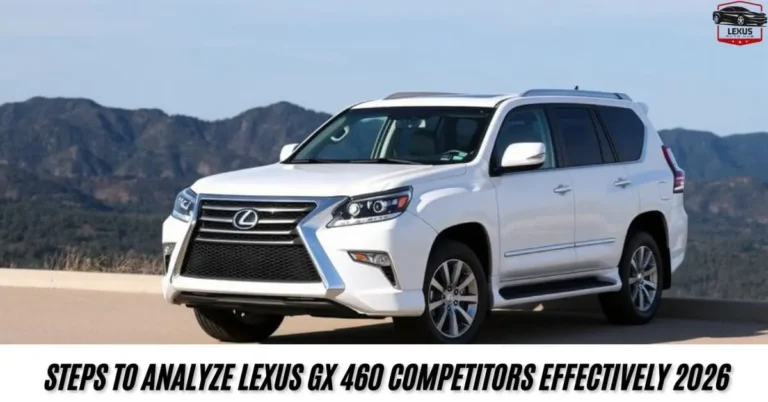
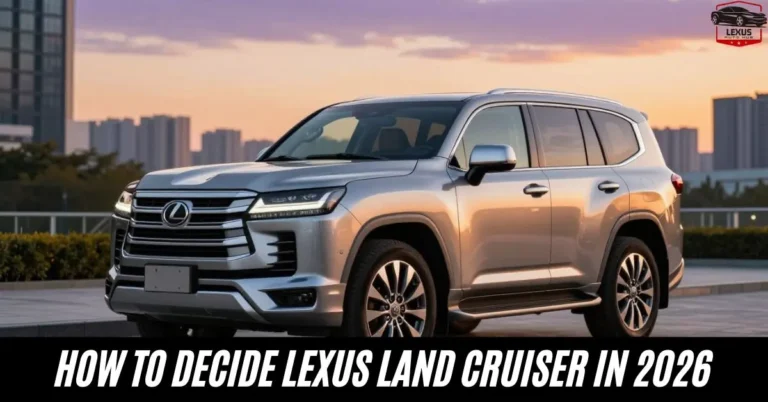
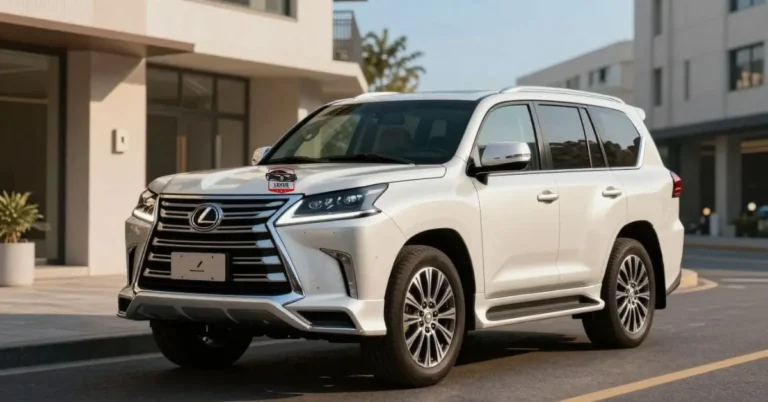
Lexus fields both the LX and GX in this segment. The LX represents the brand’s flagship, built on the same platform as the Toyota Land Cruiser, emphasizing off-road capability alongside luxury.
The GX offers more traditional body-on-frame construction appealing to buyers who value durability and off-road performance. Both Lexus large SUVs typically cost less than the GLS while offering superior reliability ratings and lower ownership costs over time.
The Mercedes-Benz G-Class stands apart as an icon. This luxury off-roader combines serious capability with opulent interior quality and unmistakable styling. While extremely capable off-road, most G-Class buyers appreciate it more for presence than trail performance. No direct Lexus competitor matches the G-Class’s unique combination of ruggedness and prestige.
Also Read: Lexus Build Your Own: Essential Tips and Tricks 2026
Lexus Vs Mercedes Electric and Hybrid Offerings

The transition to electrification highlights divergent strategies between these luxury brands. Mercedes-Benz has launched a full electric vehicle sub-brand with the EQ lineup.
The Lexus Vs Mercedes-Benz EQB provides electric power in a compact crossover package, the Mercedes-Benz EQE offers midsize sedan proportions, and the Mercedes-Benz EQS serves as the flagship with cutting-edge technology and impressive range.
Lexus has taken a more conservative approach, focusing heavily on hybrid technology before committing fully to pure electric vehicles. Nearly every Lexus model offers a hybrid variant, allowing customers to improve fuel efficiency without range anxiety.
The Lexus RZ represents the brand’s first dedicated battery-electric vehicle, competing with the EQE SUV in the premium electric crossover segment. Early reviews praise the RZ’s build quality and quietness while noting that Mercedes offers more driving range and faster charging capabilities.
This difference reflects each brand’s philosophy. Mercedes pushes aggressively toward full electrification with advanced autonomous driving features, while Lexus provides customers multiple pathways to reduce emissions through proven hybrid powertrains before committing entirely to battery power.
Also Read: Lexus Types 2026: A Guide to Understanding Different
Sedan and Sports Car Lineup Lexus Vs Mercedes
The sedan market shows clear competitive pairings. The Mercedes-Benz C-Class faces the Lexus IS in the compact segment. The C-Class offers more engine options, including powerful AMG variants, along with the latest infotainment technology and semi-autonomous capabilities.
The IS emphasizes driving engagement with rear-wheel drive dynamics and distinctive styling, though it lags in interior technology compared to the C-Class.
In the midsize category, the Mercedes-Benz E-Class represents a bestseller for the brand, offering sophisticated technology, refined powertrains, and available plug-in hybrid options.
The Lexus ES competes here with front-wheel drive architecture that prioritizes smoothness over sportiness. The ES typically costs less, offers better fuel efficiency in hybrid form, and provides Lexus’s renowned reliability. However, enthusiasts generally prefer the E-Class for its rear-wheel drive dynamics and more engaging driving performance.
Also Read: A Guide to Maximizing Lexus Performance Features 2026
Large Cars and Flagship Sedans
The flagship sedan segment shows each brand at their most luxurious. The Lexus Vs Mercedes-Benz S-Class has long set the benchmark for automotive luxury, featuring the most advanced safety features, cutting-edge technology including Level 3 autonomous driving in certain markets,
And an interior that rivals fine furniture in craftsmanship. The S-Class pushes boundaries with features that eventually trickle down to more affordable models.
The Lexus LS answers with a focus on serene comfort, meticulous build quality, and reliability that far exceeds any Mercedes model according to long-term studies.
The LS provides a quieter cabin, more standard amenities at similar price points, and significantly lower maintenance costs over ownership. While the S-Class feels more technologically forward-thinking, the LS emphasizes timeless luxury and dependability.
Also Read: Lexus Luxury SUV 2026: A Guide to Maintaining
Performance and Sports Cars
Mercedes-AMG represents the performance division with a range of enhanced models across the lineup, plus dedicated sports cars.
The Mercedes-AMG GT offers supercar performance with everyday usability, while the Mercedes-AMG SL provides grand touring comfort with exhilarating power. AMG models emphasize handling, engine power, and an engaging driving experience that appeals to enthusiasts.
Lexus counters with the LC, a grand touring coupe that prioritizes stunning design and refinement over outright performance.
While not as track-focused as AMG offerings, the LC delivers a unique combination of reliability, comfort, and distinctive styling. The LC hybrid variant offers surprising fuel efficiency for a performance-oriented vehicle while maintaining V8-like power delivery.
Lexus Vs Mercedes Technology and Infotainment Systems
The infotainment landscape reveals fundamental differences in approach. Mercedes-Benz’s MBUX system represents cutting-edge technology with advanced voice controls, augmented reality navigation, and highly customizable displays.
Recent Mercedes models feature massive screens spanning much of the dashboard. The system offers impressive capabilities but comes with a learning curve that some users find frustrating initially.
Lexus has faced criticism for lagging in infotainment technology, with earlier systems using trackpad controls that many found unintuitive.
Recent models show significant improvement with touchscreen interfaces and clearer graphics, though the systems still emphasize simplicity over feature density. Many owners appreciate the straightforward functionality once they adjust from other brands.
Both manufacturers now offer comprehensive smartphone integration with Apple CarPlay and Android Auto. Mercedes typically includes more advanced features as standard, while Lexus requires fewer subscription services to maintain full functionality over time.
Lexus Vs Mercedes Safety Features and Driver Assistance

Both brands prioritize safety, though their implementations differ. Mercedes-Benz often debuts advanced safety features first.
Including PRE-SAFE systems that prepare the vehicle and occupants for imminent collisions. Their driver assistance packages offer some of the most sophisticated semi-autonomous capabilities available, particularly in the S-Class and EQS.
Lexus Safety System+ comes standard across most models, providing adaptive cruise control, lane departure warning, automatic emergency braking, and other essential features without additional cost. While Lexus systems may not include the absolute latest autonomous driving technology, they work reliably and unobtrusively. Lexus vehicles consistently earn top safety ratings from IIHS and NHTSA.
Lexus Vs Mercedes Interior Quality and Cabin Comfort
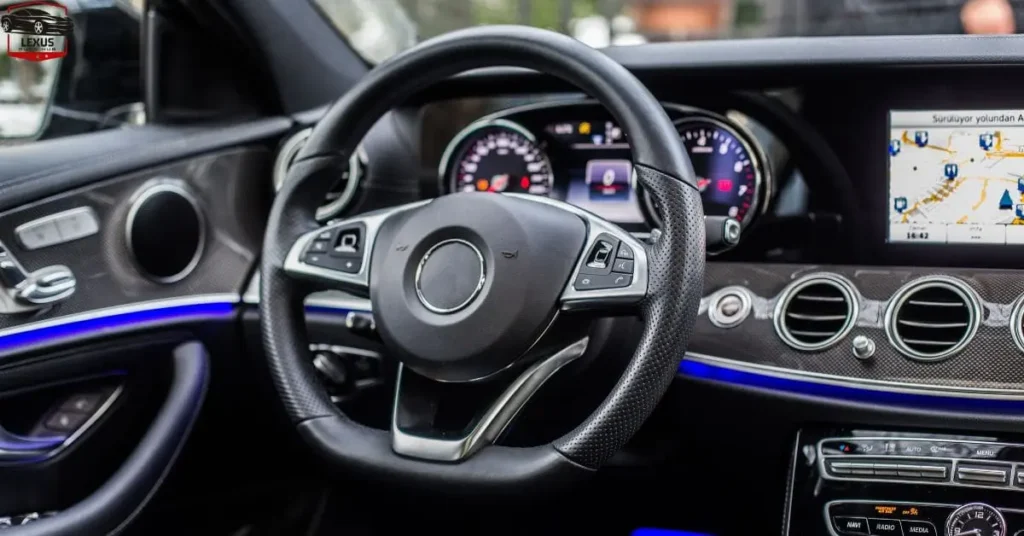
Interior appointments represent a strength for both manufacturers, executed with different aesthetics. Mercedes-Benz cabins emphasize modern luxury with high-tech displays, ambient lighting systems offering multiple colors.
And sporty design elements. Materials feel premium throughout, though some lower-trim models use more hard plastics than expected at luxury price points. The focus leans toward creating an exciting, contemporary environment.
Lexus interiors prioritize traditional luxury craftsmanship with meticulous attention to detail. The brand extensively uses genuine materials including leather, wood, and metal rather than synthetic alternatives. Lexus cabins tend to feel quieter at highway speeds due to extensive sound insulation. The overall ambiance emphasizes calm refinement over excitement, appealing to buyers who want sanctuary from daily stress.
Seat comfort represents a particular strength for Lexus, with many models offering exceptionally supportive seats for long-distance travel. Mercedes seats excel as well, particularly in AMG Sport models with more bolstering, though some find them less comfortable during extended drives compared to Lexus equivalents.
Reliability and Maintenance Costs Lexus Vs Mercedes
This category shows the clearest differentiation between these luxury brands. Lexus consistently ranks at or near the top of reliability studies from Consumer Reports, J.D. Power, and other organizations. Owners report fewer problems, less frequent repairs, and greater long-term dependability. This translates directly to lower ownership costs over five, ten, or even fifteen years.
Mercedes-Benz vehicles historically rank lower in reliability ratings, with more reported issues as vehicles ageFor buyers planning to keep vehicles beyond warranty periods, Lexus offers compelling advantages. However, many luxury buyers lease or trade frequently.
The complexity of their technology and engineering means more potential failure points. Maintenance costs run significantly higher for Mercedes ownership, with service visits, parts, and repairs costing substantially more than Lexus equivalents.
Making reliability less critical to their decision. Mercedes vehicles can also be exceptional when maintained properly, but the cost and frequency of that maintenance exceeds what Lexus requires.
Performance and Handling Lexus Vs Mercedes
Driving dynamics favor Mercedes-Benz for enthusiasts prioritizing engagement and sportiness. Mercedes vehicles generally offer sharper steering response.
More communicative handling, and greater overall involvement for drivers who enjoy the experience. The brand’s sport-tuned suspensions and rear-wheel drive architectures deliver an athletic character across most models.
Lexus has traditionally prioritized ride comfort over sporty handling, resulting in vehicles that isolate road imperfections effectively while feeling less connected. Recent Lexus models show improvement, with the IS, LC.
And new RX offering more responsive dynamics while maintaining comfort. However, Mercedes still holds advantages in outright handling performance and driving engagement.
Both brands offer all-wheel drive systems across most SUV and crossover models. Mercedes 4MATIC generally provides more performance-oriented behavior, while Lexus all-wheel drive emphasizes traction and stability without significantly altering the driving character.
Fuel Lexus Vs Mercedes Efficiency and Powertrain Options
Fuel efficiency strongly favors Lexus, particularly with hybrid powertrains. Nearly every Lexus model offers a hybrid option achieving significantly better mileage than Mercedes equivalents. The RX hybrid, ES hybrid, and NX hybrid deliver efficiency that rivals non-luxury vehicles while maintaining full luxury features and power.
Mercedes-Benz offers hybrid models as well, including plug-in hybrid variants in several models that allow limited electric-only driving. However.
Real-world fuel efficiency often disappoints compared to advertised figures, particularly in performance-oriented models. Mercedes strength lies in offering diverse engine options, including powerful turbocharged four-cylinders, smooth six-cylinders, and thunderous V8 engines that prioritize performance over efficiency.
For buyers prioritizing fuel economy without sacrificing luxury, Lexus provides clearer advantages. Buyers seeking maximum power and performance will find more options from Mercedes, though at the cost of higher fuel consumption.
Pricing and Value Proposition Lexus Vs Mercedes
Starting price comparisons show Lexus typically offering more standard features at equivalent price points. A base Lexus ES includes luxury features that require option packages on a Mercedes E-Class.
This equipment advantage extends across most model comparisons, with Lexus providing better value for buyers less concerned with the latest technology.However, Mercedes-Benz vehicles often hold their desirability longer due to brand prestige, particularly in performance-oriented AMG models.
Lease deals frequently favor Mercedes due to strong residual values in the luxury market. Best car deals and promotional offers vary by region and season, making it worth investigating both brands when shopping.
The overall ownership cost equation depends heavily on individual priorities. Lexus typically costs less to purchase with equivalent features, costs significantly less to maintain and repair, and offers better fuel efficiency.
Mercedes commands premium pricing based on brand cachet, cutting-edge technology, and performance credentials that some buyers value over long-term costs.
U.S. Lexus Vs Mercedes News Rankings and Expert Opinions
U.S. News & World Report provides comprehensive rankings that often favor Lexus vehicles in overall scores due to their methodology emphasizing reliability, safety, and value alongside performance and features.
Lexus models frequently claim class winner designations in various categories, particularly for two-row SUVs and luxury hybrids.Mercedes-Benz vehicles excel in categories emphasizing technology, performance, and luxury appointments.
The S-Class consistently ranks as one of the best luxury cars overall despite reliability concerns, based on its comprehensive feature set and refinement. AMG models dominate performance luxury categories where driving dynamics weigh heavily.
Automotive journalists often express admiration for Mercedes engineering and technology while recommending Lexus for most buyers based on practical ownership considerations. This dichotomy reflects the fundamental choice between these brands: emotional appeal and technological prowess versus rational reliability and value.
The Decision Framework
Choosing between Lexus and Mercedes ultimately requires honest assessment of your priorities:
Choose Mercedes-Benz if you value:
- Latest cutting-edge technology and infotainment features
- Sportier driving dynamics and handling engagement
- Maximum engine power options including high-performance AMG variants
- Brand prestige and cutting-edge automotive innovation
- Advanced autonomous driving capabilities
- More aggressive styling and modern interior design
Choose Lexus if you prioritize:
- Long-term dependability and reliability ratings
- Lower maintenance costs and ownership experience
- Superior fuel efficiency through proven hybrid powertrains
- Quieter cabin comfort and ride quality
- More standard amenities and better initial value
- User-friendly technology without complexity
- Vehicles you plan to keep beyond warranty periods
Specific Model Recommendations by Category
For compact luxury SUVs, the Lexus NX offers better reliability and hybrid efficiency, while the Mercedes-Benz GLC provides sportier dynamics and more cutting-edge tech. Families needing three rows should compare the Lexus TX for space and dependability against the Mercedes GLE for performance and prestige.
In the midsize sedan segment, the Lexus ES delivers exceptional value and comfort for buyers prioritizing reliability, while the Mercedes E-Class appeals to those wanting the latest technology and more engaging driving.
Sports car enthusiasts will likely prefer Mercedes-AMG offerings for pure performance, though the Lexus LC deserves consideration for its unique styling and refinement.
The luxury SUV comparison between the Lexus RX and Mercedes GLC often determines brand loyalty.
Both represent their manufacturers exceptionally well, with the RX emphasizing comfort and reliability while the GLC delivers sportier character and more advanced features. Test driving both reveals personal preference clearly.
Lexus vs Mercedes SUVs: Complete 2025–2026 Comparison Guide
If you’re trying to decide between Lexus or Mercedes, you’re not alone. This is one of the most searched luxury car comparisons in the world. Whether you’re asking which is better, Lexus or Mercedes, or simply which is more luxurious, Mercedes or Lexus, this in-depth guide covers everything — from Mercedes vs Lexus SUV driving dynamics and build quality to maintenance costs, reliability, and long-term owner reviews.
Is Lexus Better Than Mercedes? — The Big Question
The answer depends on what matters most to you. Lexus vs Mercedes is not a one-size-fits-all comparison. Both brands are exceptional, but they excel in very different areas. Mercedes-Benz offers cutting-edge technology, aggressive styling, and an emotion-driven driving experience. Lexus counters with legendary reliability, lower ownership costs, and understated refinement. In this guide, we break down Mercedes vs Lexus across every key category so you can make the right decision.
Lexus vs Mercedes SUV Reliability Comparison 2024–2025–2026
When it comes to Lexus vs Mercedes SUV reliability comparison, Lexus consistently dominates the rankings.
Lexus SUV Long-Term Reliability
Long-term durability of Lexus SUVs vs Mercedes SUVs, is one of the most discussed topics among luxury car buyers. According to Consumer Reports and J.D. Power data for 2024 and 2025, Lexus SUVs rank among the most reliable vehicles in any class, not just luxury. Models like the Lexus RX regularly score in the top 3 for predicted reliability.
- J.D. Power Initial Quality Study: Lexus consistently scores above the industry average
- Consumer Reports: Lexus is rated “Recommended” year after year; Mercedes often falls short in this category
- Lexus RX vs Mercedes GLE reliability (Consumer Reports / J.D. Power): The Lexus RX outperforms the Mercedes GLE in long-term reliability data across multiple years
Mercedes SUV Long-Term Reliability
Mercedes-Benz SUVs like the GLE, GLC, and EQS are feature-rich but carry a reputation for more frequent issues, particularly with their complex electronics systems. The Mercedes vs Lexus electronics complexity comparison is stark — Mercedes loads its SUVs with MBUX infotainment, air suspension systems, 48V mild-hybrid setups, and more, all of which increase the chance of electronic faults over time.
Verdict on Reliability: If long-term durability is your priority, Lexus SUVs vs Mercedes SUVs comparison clearly favors Lexus. Lexus fewer electronic issues compared to Mercedes is a well-documented pattern in owner forums and reliability surveys.
Lexus vs Mercedes Build Quality Comparison
Build Quality: Lexus vs Mercedes SUVs
Lexus vs Mercedes build quality is another hotly debated topic. Here’s the breakdown:
Lexus Build Quality:
- Panel gaps are tighter on average
- Interior materials are durable and age gracefully
- Fit and finish is consistently praised in Lexus vs Mercedes build quality reviews
- Toyota’s manufacturing process (known as “Takumi” craftsmanship) ensures extremely high consistency
Mercedes Build Quality:
- Premium materials like Nappa leather, real wood, and Burmester audio feel truly luxurious when new
- However, Mercedes vs Lexus build quality SUVs reviews often note that Mercedes interiors can rattle, creak, or show wear faster
- Some owners in Lexus vs Mercedes SUV build quality reviews report soft-touch surfaces degrading over time in Mercedes vehicles
Lexus vs Mercedes SUV Build Quality Reviews — Owner Perspective
From Lexus vs Mercedes SUV owner reviews and Reddit threads, a common theme emerges: Lexus owners at 100,000+ miles report their vehicles still feel tight and solid, while some Mercedes owners report increasing issues with electronics and interior quality beyond 60,000–70,000 miles.
Verdict on Build Quality: When comparing build quality Lexus vs Mercedes SUVs, Lexus wins on consistency and long-term durability. Mercedes wins on initial luxury feel and premium material selection.
Mercedes vs Lexus SUV Driving Dynamics
Mercedes vs Lexus Driving Dynamics Comparison
This is where Mercedes-Benz often pulls ahead. If you enjoy spirited driving, Mercedes vs Lexus SUVs driving dynamics comparisons almost always favor Mercedes.
Mercedes GLE / GLC Driving Dynamics:
- Available AMG performance variants
- Air suspension offers exceptional ride and handling balance
- Rear-wheel steering available on GLE for agility
- Mercedes vs Lexus driving dynamics — Mercedes feels sharper, more athletic, more European
Lexus RX / GX / LX Driving Dynamics:
- Comfort-oriented tuning prioritizes ride smoothness
- F SPORT packages add sportier suspension, but still behind AMG equivalents
- Lexus vs Mercedes SUV driving dynamics reviews consistently note Lexus SUVs as more composed and relaxing, but less exciting
Mercedes vs Lexus SUV Driving Dynamics Reviews — What Car Experts Say
Publications like Car and Driver, Edmunds, and Motor Trend note that in the Mercedes vs Lexus SUVs driving dynamics battle, Mercedes SUVs offer a more engaging drive, while Lexus offers a more serene, long-distance comfort experience.
Verdict on Driving Dynamics: Mercedes vs Lexus — Mercedes wins on driving dynamics. Lexus wins on ride comfort.
Lexus vs Mercedes Maintenance Costs Comparison 2025
Average Maintenance Cost: Lexus SUV vs Mercedes SUV
Lexus vs Mercedes maintenance costs is one of the most important factors for long-term ownership. Here are the key numbers:
| Cost Category | Lexus SUV | Mercedes SUV |
|---|---|---|
| Annual Maintenance (avg) | ~$550–$700/year | ~$1,000–$1,400/year |
| 5-Year Ownership Cost | ~$3,000–$4,000 | ~$6,000–$8,000+ |
| Dealer Service Costs | Lower | Significantly Higher |
| Parts Availability | Widely available, affordable | Premium pricing on OEM parts |
| Common Repairs | Minimal | Electronics, air suspension |
Lexus vs Mercedes maintenance costs comparison 2025 data from sources like RepairPal and YourMechanic shows Lexus SUV maintenance costs are roughly 40–50% lower than Mercedes SUV maintenance costs over a 5-year period.
Maintenance Costs: Lexus SUVs vs Mercedes SUVs — Why the Difference?
Mercedes vs Lexus electronics complexity is a major factor. Mercedes SUVs pack in far more electronic systems — air ride suspension, mild-hybrid components, complex MBUX software — all of which require specialized tools and trained technicians. Lexus fewer electronic issues compared to Mercedes translates directly into lower repair bills and fewer unplanned workshop visits.
Additionally, Mercedes requires premium synthetic oil, specialty brake pads, and dealer-calibrated software resets for basic services — all of which drive up Mercedes SUV maintenance costs vs Lexus SUV maintenance costs.
Verdict on Maintenance Costs: Lexus vs Mercedes maintenance costs comparison — Lexus wins decisively. If you want a luxury SUV with low ownership costs, Lexus is the smarter financial choice.
Lexus vs Mercedes SUV Long-Term Owner Reviews
Lexus vs Mercedes SUV Owner Reviews — What Real Owners Say
From platforms like Edmunds Owner Reviews, Cars.com, and dedicated owner forums:
Lexus SUV Owner Feedback (Long-Term):
- “Still drives like new at 120,000 miles” — common sentiment in Lexus vs Mercedes SUV long-term reliability owner reviews
- Very few unscheduled repairs
- High resale value retention
- Dealer service rated as more transparent and less expensive
Mercedes SUV Owner Feedback (Long-Term):
- “Incredible car when everything works” — common praise
- Electronics issues after warranty expiry are frequently mentioned in Lexus vs Mercedes suv reliability owner reviews
- High service costs post-warranty are a recurring complaint
- MBUX infotainment praised but occasionally buggy
Verdict on Owner Reviews: Lexus vs Mercedes SUV owner reviews reliability long term — Lexus owners report higher satisfaction over extended ownership periods, particularly beyond 5 years.
Lexus vs Mercedes-Benz EQS Comparison 2025–2026
For buyers considering electric luxury, the Lexus vs Mercedes-Benz EQS comparison 2025–2026 is a growing area of interest.
- Mercedes EQS SUV: Stunning 141-inch Hyperscreen, up to 305 miles range, ultra-premium interior — but Mercedes vs Lexus electronics complexity is at its peak here
- Lexus RZ / LX Electrified: Lexus’s electric/hybrid lineup is growing; more conservative in tech but expected to deliver Lexus SUV long-term reliability standards
- Long-term durability of electric Mercedes SUVs is still being established, while Lexus hybrid technology (proven over 25+ years) gives buyers confidence
BMW vs Lexus vs Mercedes — Three-Way Comparison
Many buyers also consider BMW vs Lexus vs Mercedes or Mercedes vs BMW vs Lexus before deciding.
| Category | Lexus | Mercedes | BMW |
|---|---|---|---|
| Reliability | ⭐⭐⭐⭐⭐ | ⭐⭐⭐ | ⭐⭐⭐ |
| Driving Dynamics | ⭐⭐⭐ | ⭐⭐⭐⭐ | ⭐⭐⭐⭐⭐ |
| Maintenance Costs | ✅ Lowest | ❌ Highest | ❌ High |
| Build Quality | ⭐⭐⭐⭐⭐ | ⭐⭐⭐⭐ | ⭐⭐⭐⭐ |
| Luxury Feel | ⭐⭐⭐⭐ | ⭐⭐⭐⭐⭐ | ⭐⭐⭐⭐ |
| Technology | ⭐⭐⭐⭐ | ⭐⭐⭐⭐⭐ | ⭐⭐⭐⭐⭐ |
Which Is More Luxurious: Mercedes or Lexus?
This is entirely subjective, but here’s how to think about it:
- Mercedes feels more luxurious at first glance — bold design, ambient lighting, massive screens, premium sound systems. If you want to impress at a valet, Mercedes-Benz wins the curb appeal battle.
- Lexus feels more luxurious over time — ultra-quiet cabins, exceptional fit-and-finish, and the confidence of knowing your vehicle won’t leave you stranded. Lexus luxury is about refinement and reliability.
Which is more luxurious, Mercedes or Lexus? — Mercedes for showroom luxury; Lexus for everyday luxury.
Mercedes or Lexus — Which Is Better? Final Verdict
Here’s a simple guide to help you decide Mercedes or Lexus, which is better:
Choose Lexus if you:
- Prioritize long-term reliability and Lexus vs Mercedes SUV reliability comparison 2025
- Want lower maintenance costs (Lexus SUV vs Mercedes SUV)
- Plan to keep the vehicle 7–10+ years
- Prefer a calm, comfortable drive over sporty performance
- Want peace of mind with minimal unscheduled repairs
Choose Mercedes if you:
- Want the most technologically advanced SUV on the market
- Enjoy sporty, engaging driving dynamics
- Value prestige and visual luxury
- Plan to upgrade every 3–4 years (avoiding long-term reliability concerns)
- Want AMG performance variants
Lexus vs Mercedes Safety
Lexus vs Mercedes safety ratings are both excellent:
- Both brands score well with NHTSA and IIHS
- Lexus Safety System+ (LSS+) comes standard on most models — a significant value advantage
- Mercedes Driver Assistance Package is often an expensive add-on
- Both offer automatic emergency braking, lane keeping, and adaptive cruise as standard or near-standard features
- Lexus vs Mercedes safety — roughly equal in hardware; Lexus wins on value (standard inclusion)
Lexus vs Mercedes — Summary Table
| Category | Winner |
|---|---|
| Reliability | ✅ Lexus |
| Build Quality (Long-Term) | ✅ Lexus |
| Initial Luxury Feel | ✅ Mercedes |
| Driving Dynamics | ✅ Mercedes |
| Maintenance Costs | ✅ Lexus |
| Technology | ✅ Mercedes |
| Long-Term Owner Satisfaction | ✅ Lexus |
| Safety Features Value | ✅ Lexus |
| Prestige / Brand Image | 🤝 Tie |
Lexus and Mercedes — Two Different Philosophies
Lexus and Mercedes represent two completely different philosophies of luxury. Mercedes-Benz vs Lexus is ultimately a choice between excitement and peace of mind. Lexus vs Benz comparisons across reliability surveys, owner reviews, maintenance cost data, and build quality assessments consistently show that Lexus is the smarter long-term investment, while Mercedes delivers a more thrilling, technology-forward ownership experience.
Whether you’re cross-shopping the Lexus RX vs Mercedes GLE, the Lexus GX vs Mercedes GLS, or comparing Mercedes vs Lexus SUVs driving dynamics for a specific use case, the right answer comes down to your priorities.
For reliability, build quality, and low maintenance costs: Choose Lexus. For driving dynamics, technology, and prestige: Choose Mercedes.
My Final Thought:
Neither Lexus nor Mercedes-Benz represents a wrong choice for luxury vehicle buyers. Both brands deliver exceptional vehicles with distinct strengths appealing to different priorities. Mercedes-Benz pushes automotive boundaries with German engineering excellence,
State-of-the-art features, and driving performance that enthusiasts appreciate. Lexus provides Japanese precision, unmatched reliability ratings, and ownership experiences that reduce stress and expense over years of driving.
The best luxury vehicle for you aligns with your individual values, driving preferences, and ownership timeline. Buyers who lease frequently and prioritize the latest technology may find Mercedes more appealing despite higher costs.
Those planning extended ownership periods and valuing worry-free reliability typically favor Lexus for logical reasons backed by data.
Consider testing multiple models from each brand before deciding. The differences become apparent behind the wheel, where steering feel, ride quality, technology interfaces, and overall character reveal themselves. Pay attention to which brand’s philosophy resonates with your expectations for what a luxury vehicle should deliver.
The premium automotive landscape benefits from competition between these two excellent manufacturers. Whether you choose the technological advancement and performance of Mercedes-Benz or the reliability and refined comfort of Lexus,
you’ll experience luxury transportation that exceeds mainstream alternatives significantly. Both brands have earned their reputations through decades of excellence, just approached from different cultural perspectives on what automotive luxury means.
FAQs
Which is cheaper to maintain, Lexus or Mercedes?
The agency estimates that the average Lexus costs about $551 per year to maintain, compared to the national average of $652. By comparison, the average BMW costs around $968 to maintain per year, while the average Mercedes-Benz costs $908.
What type of person buys a Lexus?
A new report from S&P Global Mobility comparing Lexus, BMW, and Mercedes-Benz buyers revealed some stark demographic differences, like age. Recent Lexus buyers are old—57.6 years on average. According to the study, using data from October 2024 to January 2025, the average luxury buyer is 54 years old
Which car brand is better than Mercedes?
Although both brands are successful in their own right, their public priorities are different. As the ultimate driving machine, BMW is known for providing an unmatched performance-focused experience, while Mercedes-Benz is praised for its classic luxury, outstanding comfort, and understated grace.
Which is more reliable, Mercedes, BMW or Lexus?
Lexus leads in reliability among compared brands. Audi owners reported 136 PP100, while Mercedes-Benz owners reported 152 PP100, showing Lexus as the most dependable option in overall reliability rankings.
What is the most bought Lexus?
Lexus RX, Lexus NX, and Lexus ES are top Lexus best sellers. These popular Lexus models offer premium features, strong performance, and high comfort, making them ideal choices for drivers seeking luxury and versatility.

I’m Fiza Ansari, a Lexus specialist with 2+ years of experience helping drivers find their perfect luxury vehicle. From the sporty RC F to the elegant ES sedan and family-friendly RX—I know each model thoroughly. My expertise covers performance features, ownership costs, leasing options, and certified pre-owned benefits. Whether you’re a first-time luxury buyer or upgrading to an F Sport model, I provide honest guidance to help you make the right choice for your lifestyle and budget.