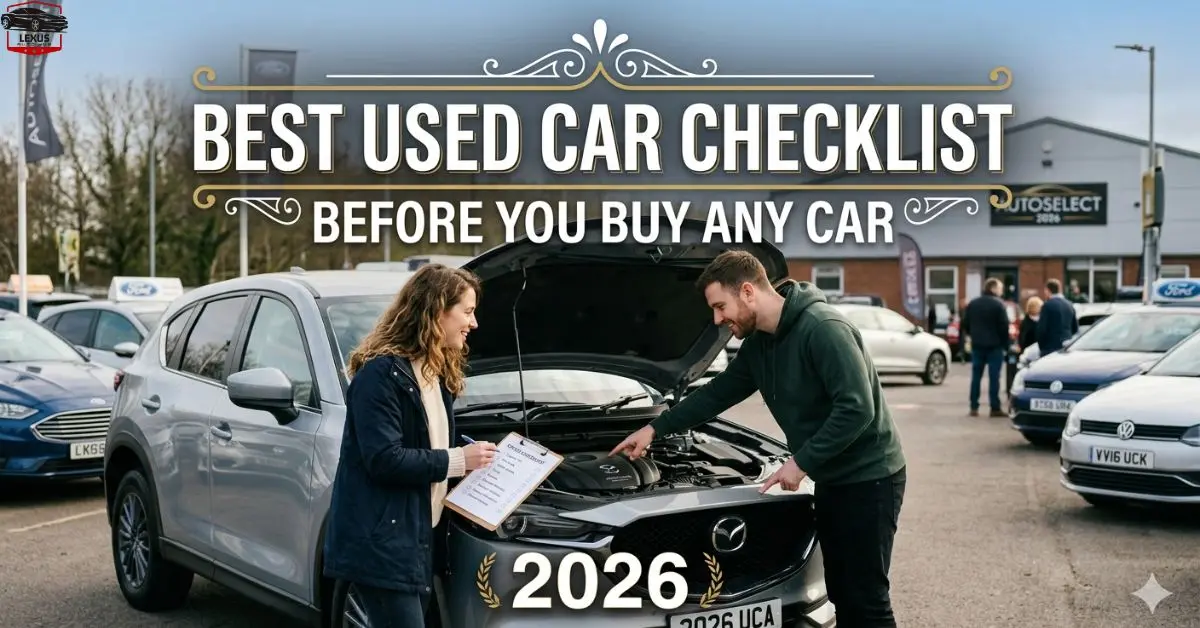
Best Used Car Checklist Before You Buy Any Car 2026
Looking for a used car? You need a plan to avoid bad choices and car troubles. We have the best guide to Used Car Checklist every part of a car before you buy in 2026.
Follow these steps to check a car’s condition and keep your money safe. Buying a used car is a big deal. You need to look at its past and its current shape carefully.
This guide is your main help in choosing the right car. Use our detailed check list to make sure your next car is safe, reliable, and worth it.
Also Read: How to Find Best Used Lexus for Sale Houston Deals 2026
Key Takeaways
- Prioritize a thorough inspection of the vehicle’s history report to uncover hidden damage.
- Always perform a detailed test drive to identify possible engine or transmission problems.
- Look at the car’s outside and inside for signs of bad care or past accidents.
- Make sure all electronic systems and safety features work right.
- Get a trusted mechanic to check the car before you sign anything.
Essential Preparation Before You Start Your Search
Organizing your finances and researching cars is smart. It helps you avoid feeling rushed in sales. This way, you focus on finding a car that fits your long-term plans.
Defining Your Budget and Financing Needs Used Car Checklist
Set a budget that includes more than just the car’s price. Think about insurance, taxes, and maintenance costs. This helps you see what you can really afford.
If you’re financing, look at your loan options first. Getting pre-approved can help you negotiate better. These tips help you buy a used car without overspending or getting into bad loans.
Researching Reliable Makes and Models
Look for cars with good reputations. Choose ones that last long and need few repairs. This is key in checking out used cars.
Use online tools to compare car reliability and common problems. Knowing which cars keep their value makes shopping easier. This guide helps you find a car that’s worth it for years.
Also Read: Best Used 2016 BMW X3: Luxury, Comfort & Performance
The Complete Used Car Checklist for Exterior Inspection
The outside of a car tells a lot through small signs. A careful look around can show hidden damage. This checklist helps spot problems before checking the car’s mechanics.
Checking Body Panels and Paint Consistency
Look at body panels in the sun to find paint issues. These can mean the car was fixed badly. Check gaps between panels for signs of crashes.
Find overspray on seals or trim for quick paint jobs. Run your hand on doors and hood for rough spots. This shows if the car was well cared for.
Evaluating Tire Condition and Tread Depth Used Car Checklist
Tires tell a lot about the car’s history. Check tread depth to make sure they’re safe. Uneven wear means problems with the car’s alignment or suspension.
- Look for bald spots from hard braking or bad tire rotation.
- Find cracks or bulges in sidewalls for blowout risks.
- Make sure all tires match for better handling.
Also Read: 10 Best Used 2014 Lexus GS Hybrid Deals 2026 Buy Now 2026
Inspecting Lights and Glass Integrity
Make sure all lights work for safety and the law. Test headlights, turn signals, brake lights, and reverse lights. A broken light can mean bigger electrical issues.
Check the windshield and windows for cracks or chips. Small problems can get worse and cost a lot. This part of the checklist helps you know what repairs are needed.
Under the Hood: Engine and Mechanical Evaluation
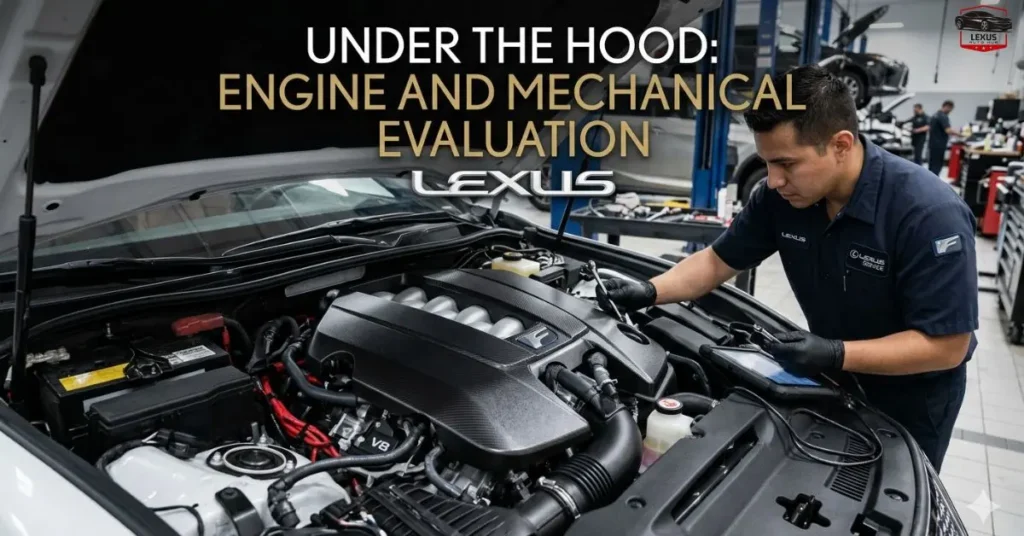
Checking the engine and mechanical parts is key in our used car inspection. A detailed mechanical check is vital. It shows if the engine and transmission will last long. This guide helps you avoid big surprises after buying a car.
Checking Fluid Levels and Quality
It’s important to check all fluid levels. They should be clean and at the right levels. Keeping fluids in good shape is a top tip for any car buyer.
You should look at these fluids:
- Engine oil: It should be a clean, amber color, not dark and gritty.
- Coolant: Make sure the reservoir is full and the liquid is clear.
- Brake fluid: It should be light in color, not dark or dirty.
- Transmission fluid: It should not smell burnt or look dark.
Identifying Signs of Engine Leaks Used Car Checklist
Finding engine leaks is key to avoiding big repair costs. Look for oil puddles under the car or oily marks on the engine. These signs often mean bigger problems.
If you see fresh wet spots or a lot of buildup, it might mean a bad gasket or seal. This is a must-do in our car inspection checklist. Use a flashlight to check the engine bay for hidden leaks.
Also Read: How to Maximize Lexus Safety System 2.0 Benefits 2026
Assessing Belts, Hoses, and Battery Health
Checking belts and hoses for cracks or softness is important. A worn-out belt or a soft hose can cause sudden problems. These are important checks for any used vehicle.
Also, check the battery for corrosion on the terminals. A clean battery connection means the car was well-maintained. By following these steps, you’ll know the car’s mechanical condition before you drive it.
Interior Comfort and Electronics Assessment Used Car Checklist
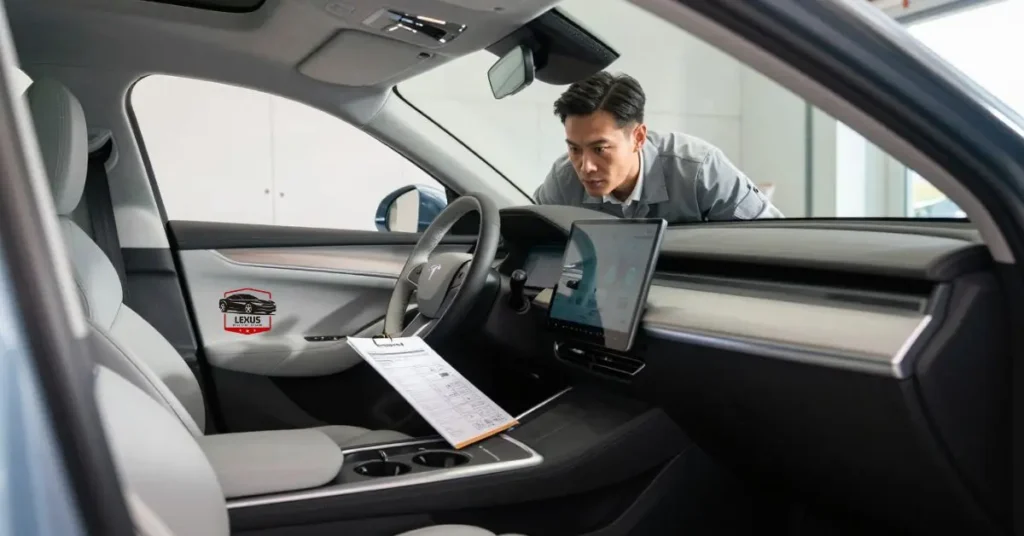
The inside of a car often tells us more than the outside. When we check a used car, we look at the inside first. This helps us see if the car’s inside looks good for its age and mileage.
Checking a used car needs a careful plan. We make sure all buttons and switches work right. This helps avoid expensive fixes and keeps the car comfy to drive.
Testing Climate Control and Air Conditioning
Checking the car’s air and heat is key. Turn the air to cold and the heat to hot. This checks if the car’s cooling and heating work well.
Listen for strange sounds when changing the air flow. These sounds might mean the car’s air system needs fixing. It’s a big thing to check before buying a car.
Also Read: Best Lexus for Sale Under $10,000 That Feel Like $30K Cars
Testing Infotainment and Safety Systems Used Car Checklist
Today’s cars have lots of electronics to check. Try pairing your phone with the car’s system to test Bluetooth and sound.
Look at the dashboard for warning lights or error codes. These can show if the car’s electrical system has problems. Make sure safety features like blind-spot monitoring and backup cameras work right.
Checking Upholstery and Wear Indicators
The state of the seats, carpets, and dashboard tells us a lot. We look for stains, tears, or smells that suggest the car wasn’t well cared for.
Wear on the driver’s seat or steering wheel is a warning if the car looks new. It means the car might have been driven too hard.
| Component | Evaluation Criteria | Status |
|---|---|---|
| Climate Control | Temperature consistency and fan speed | Pass/Fail |
| Infotainment | Touchscreen responsiveness and audio | Pass/Fail |
| Upholstery | Stains, tears, and material integrity | Pass/Fail |
| Safety Sensors | Warning lights and camera clarity | Pass/Fail |
The Importance of a Vehicle History Report
A vehicle history report is like a detective for car buyers. It shows what happened to the car long ago. Getting this report from a trusted source helps make sure the car is safe and works well.
Understanding Title Status and Salvage History
The title status is very important. A salvage or rebuilt title means the car was badly damaged. Such cars might have trouble with insurance and selling, making them a bad choice.
Also Read: 10 Best Used Lexus for Sale You Can Buy Today 2026
Reviewing Accident Reports and Service Records
Checking past accidents and maintenance is key. Good service records mean the car was well taken care of. But, if there were big accidents, it’s best to be very careful or not buy it.
Verifying Odometer Accuracy Used Car Checklist
Knowing the car’s true mileage is important. You should check the dashboard mileage against the report. This helps avoid buying a car with more miles than it seems. By doing this, you avoid scams and make sure the car lasts as long as you hope.
Conducting a Thorough Test Drive Used Car Checklist
Getting behind the wheel is key in our used car guide. Static checks are important, but a test drive is the best way to check a car. Here are tips to find hidden problems.
Evaluating Transmission Performance and Shifting
When checking a used car, watch how the transmission shifts. It should move smoothly through all gears. Listen for any clunking sounds during gear changes.
Automatics should not slip or delay when moving from park to drive. Manuals should have a clutch that engages well without grinding. Any hesitation during acceleration means it needs service.
Testing Braking Responsiveness and Feel
A good brake test is needed in a safe area. The pedal should be firm and stop the car well without pulling it. If it feels spongy or sinks, it’s a big problem.
Do controlled stops at different speeds. Listen for squealing or grinding noises. These often mean worn pads or rotors. Good brakes are key for safety.
Also Read: Best Lexus 3rd Row SUVs 2026: Top 7 Models
Listening for Unusual Noises During Acceleration Used Car Checklist
Drive with the radio off to listen for mechanical sounds. Accelerate firmly to check for rattling or whistling. These sounds can show problems with the exhaust or engine.
Turn the steering wheel fully in both directions while moving slowly. This can show suspension problems. If you hear clicking or popping, the CV joints or tie rods may need fixing. Being alert during this time helps you make a good choice.
| Observation | Potential Issue | Action Required |
|---|---|---|
| Grinding during braking | Worn brake pads | Inspect rotors and pads |
| Delayed gear engagement | Transmission fluid issues | Check fluid levels |
| Clicking while turning | Damaged CV joints | Professional repair needed |
| Vibration at high speed | Wheel imbalance | Balance and align tires |
By carefully checking a used car, you protect your investment. This process rewards patience and detail. Use these tips to feel sure when checking a used car.
Professional Pre-Purchase Inspection Benefits Used Car Checklist
Getting a professional check before buying a car is very important. Even if you think you know what you’re doing, getting a mechanic’s opinion is smart. They make sure the car is really as good as the seller says.
Why You Should Hire a Certified Mechanic
A certified mechanic has the right tools and knowledge to find hidden problems. They can spot engine wear, suspension damage, or electrical issues that you can’t see. Getting a professional to check the car means you won’t miss important issues.
What a Professional Inspection Covers
A full car check is more than just a test drive. Technicians use a detailed list to check the car’s health. They look at:
- Engine performance and compression testing
- Structural integrity and frame damage checks
- Brake system and fluid condition analysis
- Diagnostic scans for hidden electronic fault codes
Interpreting the Inspection Report Used Car Checklist
After the check, you get a detailed report. This report tells you about the car’s current state. It helps you talk down the price if repairs are needed. If there are big safety issues, it lets you avoid the deal.
Spending a little on a professional check can save you a lot of money later. A good check means your next car won’t be a money pit. Always do this step to keep your investment safe and your driving safe.
Also Read: How to Understand Lexus All Models Best Features 2026
Navigating Private Sellers Versus Dealerships Used Car Checklist
Understanding the difference between private sellers and dealers is important. Your choice affects the price and protection you get. Think about how much risk you’re okay with before you start looking.
Pros and Cons of Buying from Private Parties
Buying from a private seller can save you money. You deal directly with the owner, making it more personal. But, you take on all mechanical risks after the sale.
It’s key to check a used car checklist when buying from a private seller. There’s no warranty, so you must be careful during the inspection. Make sure the title is correct and the seller can legally sell the car.
Understanding Certified Pre-Owned Programs
Dealerships offer certified pre-owned (CPO) programs for extra peace of mind. These cars pass a tough inspection to meet standards. A CPO checklist ensures the car is in great shape before it’s sold.
These programs include warranties and roadside help. The cost is higher, but the security is worth it. It helps avoid surprise repair costs.
Also Read: How to Easily Can you Custom Order a Lexus in 2026
Negotiation Strategies for Different Sellers Used Car Checklist
When buying from a private seller, talk about the car’s history and condition. Use market data to support your offer. If you find problems, use them to lower the price.
Negotiating with a dealership is different. Focus on the total price, including all fees. Be ready to leave if the price is too high.
| Feature | Private Seller | Dealership |
|---|---|---|
| Pricing | Generally lower | Higher (includes overhead) |
| Warranty | Rarely included | Often available (CPO) |
| Convenience | Requires more effort | Streamlined process |
| Risk Level | Higher (as-is) | Lower (inspected) |
Whether buying from a neighbor or a lot, be prepared. Use these tips to get a good deal. Always focus on clear communication and legal papers to protect your investment.
Finalizing the Paperwork and Legal Requirements
Getting the legal papers done is the last step to owning a car. You might have already Used Car Checklist the car well. But, the paperwork makes sure you’re safe.
Verifying the Bill of Sale and Title Transfer Used Car Checklist
The bill of sale proves you bought the car. It should have the car’s number, price, and both your and the seller’s signatures. Make sure the seller’s name on the title is correct to avoid scams.
Look at the title for any liens. A clear title lets you sell or trade the car later. Here’s a checklist to help you:
- Confirm the seller’s name matches the title exactly.
- Check for a “salvage” or “rebuilt” brand on the title.
- Ensure the odometer reading on the title matches the vehicle.
- Obtain a signed bill of sale with the date of the transaction.
Understanding State-Specific Registration Laws
Every state has its own rules for registering cars. Check your local DMV website for these rules. Not registering on time can cause fines and legal issues.
Some states need a smog check before you can register. Keep your buying tips handy for these local taxes. Knowing these costs ahead of time saves you money.
Securing Insurance Before Driving Home Used Car Checklist
Never drive a new car without insurance. Most states require at least liability insurance. Call your insurance company to add the car to your policy before you buy it.
If you’re buying from someone else, make sure the insurance is active when you get the keys. This is key to your used car checklist. Early insurance keeps you safe from big costs if you get into an accident.
Common Red Flags to Avoid During Inspection
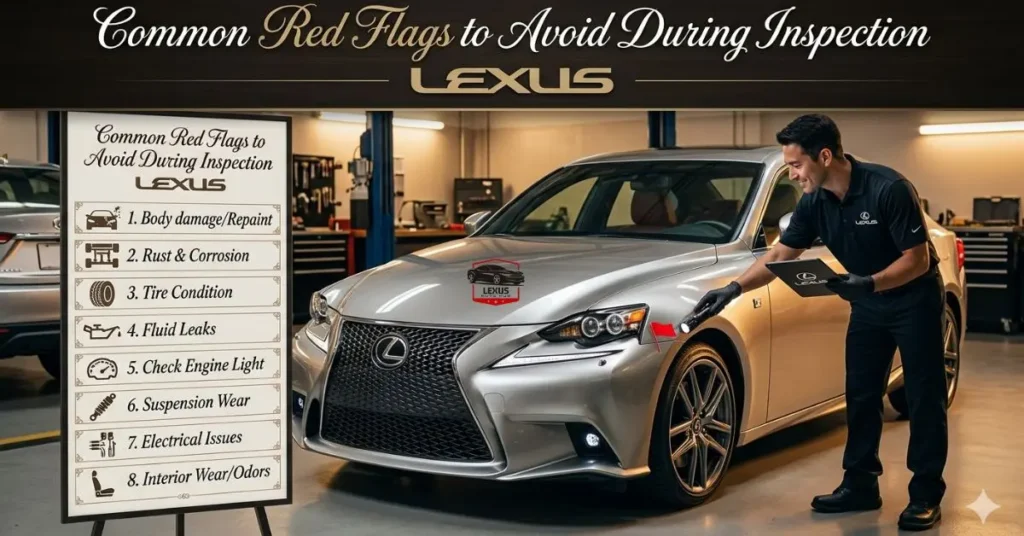
Knowing what to look for when buying a used car is key. A car might look good but have hidden problems. A detailed Used Car Checklist is the best way to make a smart buy.
Recognizing Signs of Flood Damage
Flood damage is a big problem to spot. Look for water stains in the trunk and under floor mats. A musty smell inside means the car was in water.
Checking for corrosion under the dashboard is important. If you find it, don’t buy the car. A checklist helps you not miss these important details.
Identifying Mismatched VIN Plates Used Car Checklist
The VIN should match on all car parts. If it doesn’t, the car might have been in an accident or have a bad history. This is a key part of checking a car.
Check the VIN on the dashboard, door jamb, and engine. If they don’t match, be very careful. These tips help you avoid legal and safety problems.
Spotting Evidence of Poor Repairs Used Car Checklist
Look for uneven gaps in body panels. Big gaps mean the car was badly fixed after a crash. Also, check for overspray on rubber trim, which means a cheap paint job.
These signs are important to check. If the paint feels rough or looks bad, the car might have hidden damage. A detailed check helps you avoid these problems.
| Red Flag | What to Check | Potential Risk |
|---|---|---|
| Flood Damage | Musty odors and water stains | Electrical system failure |
| Mismatched VIN | Dashboard and door jamb plates | Theft or major accident history |
| Poor Repairs | Uneven panel gaps and overspray | Structural integrity issues |
A used car buying checklist 2026 is essential for anyone planning to purchase a pre-owned vehicle safely and smartly. Whether you are buying from a dealer or a private seller, following a proper inspection process helps you avoid costly mistakes and ensures you get a reliable car.
Best Car Buying Checklist 2026
The best car buying checklist 2026 focuses on both mechanical condition and documentation. Buyers should always inspect the engine, transmission, brakes, tires, and suspension. It is also important to check service history, accident records, and mileage consistency. A test drive is necessary to understand real-world performance before making a final decision.
Used Car Buying Checklist Private Seller 2025 or 2026
When using a used car buying checklist private seller 2025 or 2026 approach, extra caution is required. Private sellers may not always provide warranties, so buyers should carefully verify ownership documents, registration papers, and maintenance records. It is also recommended to meet in safe locations and avoid rushed decisions.
Buying Used Car from Private Party Checklist 2025 2026
A buying used car from private party checklist 2025 2026 should include verifying VIN numbers, checking for outstanding loans, and ensuring the car has no hidden legal issues. Buyers should also inspect the exterior for rust, paint mismatch, or accident damage. A professional inspection is highly recommended in private deals.
Used Car Pre-Purchase Inspection Checklist 2025 2026
A used car pre-purchase inspection checklist 2025 2026 helps identify hidden problems before buying. This includes engine diagnostics, fluid levels, brake condition, and electronic system checks. Many experts recommend hiring a mechanic to perform a detailed inspection to ensure the vehicle is in good condition.
Best Ways to Inspect Used Car Reliability 2026
The best ways to inspect used car reliability 2026 include checking long-term maintenance records, reviewing previous ownership history, and evaluating overall wear and tear. A reliable car should have consistent service history and no major accident repairs. Road testing is also important to detect unusual noises or performance issues.
Popular Mechanics Used Car Checklist
The popular mechanics used car checklist is widely trusted because it focuses on detailed inspection points such as engine health, transmission smoothness, and structural integrity. It also emphasizes checking electronics, safety systems, and underbody condition to ensure the vehicle is safe and reliable.
Buying Second Hand Car Checklist
A buying second hand car checklist should always include document verification, mechanical inspection, and price comparison. Buyers should compare market value, inspect interior condition, and ensure all features are working properly. Taking time during inspection reduces the risk of future repair costs and ensures better value for money.
My Final Thoughts:
Buying a car needs patience and a keen eye. Our Best Used Car Checklist helps you feel sure when shopping. It keeps your investment safe and makes sure you get a good car.
Don’t forget to check the Vehicle history report before you buy. It shows secrets that might not be obvious. A Certified pre-owned checklist is key, whether you buy from a private seller or a dealership.
After you buy, keep your car in good shape. Follow our Used car maintenance tips. Regular oil changes and tire rotations keep your car running well for a long time.
We want to hear about your car buying stories. Tell us what helped you the most. Your stories help others choose the right car. We hope you have many safe miles ahead.
FAQs
What are the most critical items on a comprehensive used car checklist?
We check the engine, transmission, and body first. We look for paint issues and tire wear. We also check safety systems.Using a good checklist helps us find problems early. This saves us money later.
Why should we obtain a vehicle history report before finalizing a purchase?
A vehicle history report is key. It shows the car’s past, like accidents or floods. It also checks the odometer.This report helps us know the car’s history. It’s a must for our checks.
What should we look for during a second-hand car inspection under the hood?
We check fluids and look for leaks. We also check belts and hoses for damage.These checks help us see if the car was well-maintained. It’s important for our inspection.
How does a professional pre-purchase inspection benefit us?
A certified mechanic does a deep check. They find problems we might miss.This service gives us a detailed report. It helps us negotiate a better price.
What are the essential things to check in a used car during a test drive?
We test the transmission and brakes. We also listen for strange noises.Driving on different roads helps us check the car’s feel. It matches the car’s look and condition.

I’m M Ahmad Ansari, a Lexus enthusiast with 5+ years of hands-on experience across the entire lineup—from the RC F’s roaring V8 to the whisper-quiet RZ electric. I understand what separates Japanese luxury from the rest: obsessive engineering, unmatched reliability, and that refined driving feel you can’t find anywhere else. Whether it’s F Sport performance packages, hybrid technology, or choosing between new and certified models, I bring real-world knowledge and genuine passion for what makes Lexus exceptional.