
lexus is
The Lexus IS has carved out its own territory in the luxury sport sedan segment since it first rolled onto the scene in the late 1990s. Born from Lexus’s ambition to prove it could build more than just refined luxury cruisers, this compact sedan brought sharp handling and athletic dynamics to a brand better known for whisper-quiet comfort. Over the years, the IS has evolved from an upstart challenger into a genuine alternative for drivers who want Japanese reliability wrapped in a suit that’s ready for both the morning commute and the weekend canyon run.
What makes the IS stand out isn’t just its aggressive spindle grille or rear-wheel-drive platform—it’s the balance Lexus strikes between performance and practicality. While competitors often force you to choose between comfort and sportiness, the IS manages to deliver both without making too many compromises. Whether you’re drawn to the throaty V6 in the IS 500 or prefer the efficiency of the turbocharged four-cylinder, there’s an IS that fits different driving styles without abandoning the refinement Lexus is known for.
In a market where German rivals typically dominate the conversation, the Lexus IS offers something refreshingly different: a sport sedan that won’t leave you wondering when the next repair bill will arrive.
Also Read: How to Maintain Your 2019 Lexus LC for Longevity
Short Answer About Lexus IS
The Lexus IS is a compact luxury sport sedan that blends sharp handling with Toyota’s legendary reliability. It competes with cars like the BMW 3 Series and Mercedes C-Class, offering rear-wheel drive dynamics and that distinctive Lexus spindle grille. Available with either a turbocharged four-cylinder or a naturally aspirated V6 (in the IS 500), it’s built for drivers who want a more engaging experience than typical Lexus sedans provide, without sacrificing comfort or dependability. Think of it as Lexus proving they can do sporty just as well as they do luxurious.
2026 Lexus IS350: A Refined Compact Luxury Sedan
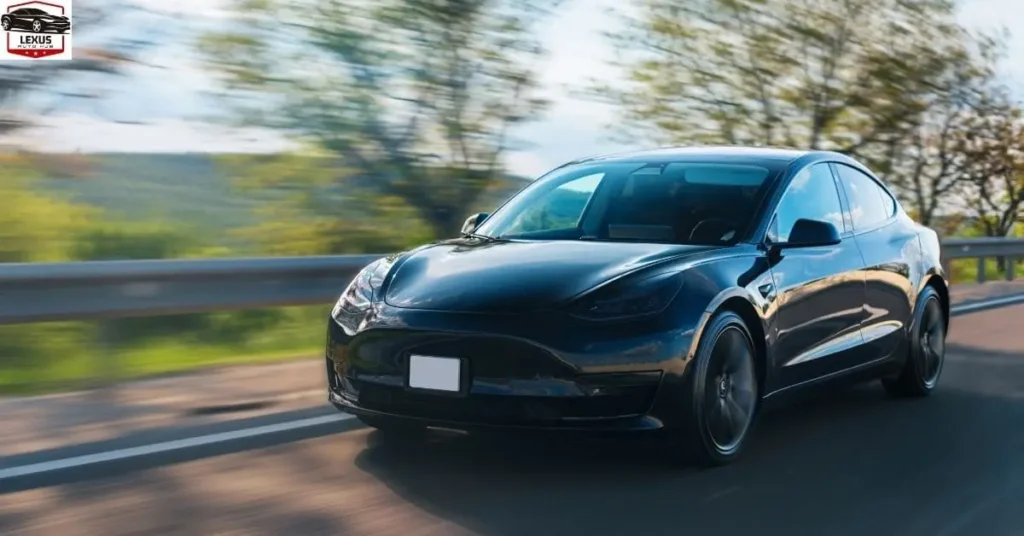
The 2026 Lexus IS350 continues to hold its position in the compact luxury sedan market with a blend of performance and comfort that defines the Japanese luxury car experience. At its heart sits a naturally aspirated V-6 engine producing 311 horsepower, delivering smooth and reliable power that Lexus reliability is known for.
Drive Configuration and Performance
Buyers can choose between rear-wheel drive and all-wheel drive configurations depending on their preferences and driving conditions. The RWD platform provides an engaging driving experience, while the AWD system offers enhanced traction and confidence in various weather conditions. What stands out most is the supple ride quality that absorbs road imperfections without sacrificing the sport sedan character.
Also Read: How to Customize Your 2020 Lexus LS Experience
Premium Interior and Modern Technology
Step inside, and you’ll find a premium interior crafted with upscale materials that showcase interior quality throughout the cabin. The modern technology is immediately apparent with dual 12.3-inch screens dominating the dashboard—one serving as digital gauges and the other powering the infotainment system. The touchscreen display provides intuitive control over various luxury features and automotive technology.
Cabin comfort is a priority, with well-bolstered seats and thoughtful ergonomics. However, the compact sedan segment nature means rear seat space is somewhat limited for taller passengers. The sedan dimensions keep the exterior manageable while still providing generous trunk space for daily needs.
Positioning in the Luxury Sedans Lineup
Within the performance sedan category, the IS350 occupies a unique space. While siblings like the Lexus ES and Lexus LS offer more spacious accommodations and a greater emphasis on luxury, the IS350 leans toward a sportier character while maintaining the comfort and refinement expected from luxury sedans in this class.
What’s New for the 2026 Lexus IS
The 2026 Lexus IS arrives with a notable styling refresh that transforms its appearance and cabin experience. The most visible change comes from a new front-end treatment that gives the sedan a more modern and aggressive stance. Inside, drivers will notice a revised interior that elevates the overall ambiance with updated materials and layout.
Also Read: How to Maintain Your Lexus GX for Optimal Performance 2026
Lineup Changes and Simplification

Lexus has made significant lineup changes for this model year, streamlining the IS family considerably. The entry-level model IS300 has been discontinued, removing the most affordable gateway into the lineup. Even more dramatic is the departure of the range-topping IS500, the V-8-powered hot rod that brought serious performance credentials to the brand’s compact sedan offerings.
What remains is the IS350 as the sole offering, powered by its proven 311-hp V-6 engine. Buyers now choose between two configurations: the F Sport Design trim and the F Sport trim, each catering to different levels of performance preferences.
Technology Upgrades
The cabin receives substantial technology enhancements centered around dual screens. A larger 12.3-inch infotainment system now handles media, navigation, and vehicle settings with improved graphics and responsiveness. Complementing this is an equally sized 12.3-inch digital gauge cluster that provides customizable driving information directly in the driver’s sightline.
Understanding Your Car Value
For those considering a trade-in, knowing your vehicle appraisal helps during negotiations. Car and Driver offers a straightforward three-step process using Black Book data—the same resource dealers rely on for vehicle appraisal. This transparency helps buyers understand their car value before visiting showrooms.
Also Read: How to Troubleshoot Lexus RX Common Issues
Pricing and Trim Options
The pricing for the 2026 model is expected to begin around $46,000, with fully equipped versions reaching approximately $48,000 depending on selected trim options and packages.
Recommended Configuration
The smart move is upgrading from the F Sport Design trim to the complete F Sport package. This unlocks access to the F Sport Handling Package, which brings two critical performance components: the Adaptive Variable Suspension and the Torsen limited-slip rear differential. The suspension system actively adjusts damping to balance comfort and handling, while the rear differential improves traction and cornering stability, making these package upgrades worthwhile for driving enthusiasts.
Significant Lineup Changes and Strategic Simplification
Lexus has implemented substantial lineup changes for the 2026 model year, taking a decisive approach to streamline the IS family. The entry-level model IS300, which previously served as the accessible gateway into the IS lineup, has been completely discontinued. This move eliminates the base turbocharged four-cylinder option that many budget-conscious buyers relied on.
Perhaps even more shocking to enthusiasts is the removal of the range-topping IS500 from the roster. This V-8-powered hot rod represented Lexus’s answer to high-performance German competitors, delivering raw power and an exhilarating soundtrack. Its departure leaves a noticeable gap for those seeking maximum performance from their Lexus sedan.
What survives this consolidation is the IS350 as the singular offering in the entire lineup. This middle-ground model features the well-regarded 311-hp V-6 engine that has proven itself over years of production. The naturally aspirated powerplant delivers linear power delivery and the reliability Lexus customers expect.
The trim options have been equally simplified. Buyers now face a straightforward choice between two configurations: the F Sport Design trim and the F Sport trim. Each targets different customer priorities, with the F Sport Design offering visual sportiness and the F Sport trim delivering genuine performance enhancements.
Major Technology Upgrades and Digital Integration

The technology story for 2026 centers on a dramatic screen size increase that brings the IS into alignment with modern expectations. A substantially larger 12.3-inch infotainment system now dominates the center stack, replacing the previous smaller display. This upgraded unit handles all media functions, navigation duties, climate controls, and vehicle settings through improved graphics processing and more responsive touch inputs.
Working in tandem is the equally impressive 12.3-inch digital gauge cluster positioned directly in front of the driver. This customizable display replaces traditional analog instruments with configurable layouts that can emphasize different information based on driving mode and personal preference. The combination of these dual large-format screens creates a cohesive digital environment that feels current and competitive with offerings from European rivals.
Also Read: How to Maintain Your Lexus GX 460 for Longevity
Understanding Your Car Value Through Accurate Vehicle Appraisal
For shoppers who plan to trade in their current vehicle, understanding accurate car value becomes essential to negotiating effectively. The process of vehicle appraisal can seem mysterious, but Car and Driver provides transparency by offering a straightforward three-step valuation tool that uses authentic Black Book data. This is significant because Black Book data represents the same industry-standard information that dealers themselves reference during vehicle appraisal procedures.
By knowing your car value before entering a dealership, you establish a baseline for negotiations and avoid potential lowball offers. This preparatory work empowers buyers to make informed decisions about whether to trade, sell privately, or simply understand their equity position when considering the new IS350.
Detailed Pricing Structure and Available Trim Options
The pricing architecture for the 2026 Lexus IS reflects its repositioning as a more focused offering. Base pricing is expected to start at approximately $46,000 for the F Sport Design trim configuration. This represents the entry point into IS350 ownership and includes the standard 311-hp V-6 engine along with baseline luxury amenities and the sporty visual treatment.
At the upper end of the spectrum, fully loaded versions with all available trim options and technology packages can reach around $48,000. This relatively narrow pricing band—spanning just $2,000—suggests Lexus has packaged features strategically rather than offering endless à la carte customization. The simplified approach makes shopping easier but reduces flexibility for buyers with very specific preferences.
Expert Recommendation: The Ideal Configuration and Package Upgrades
For buyers seeking the optimal balance of performance, value, and driving engagement, the recommended path involves strategic package upgrades beyond the base F Sport Design trim. The first essential step is upgrading to the complete F Sport package, which unlocks access to performance-oriented features that genuinely transform the driving experience rather than merely adding visual flair.
The critical addition within this upgrade path is the F Sport Handling Package, which delivers two transformative components that significantly enhance dynamic capabilities. The first is the Adaptive Variable Suspension, an advanced suspension system that continuously adjusts damping rates based on road conditions, driving inputs, and selected drive mode. This technology allows the IS350 to deliver compliance over rough pavement during daily commuting while firming up for spirited driving when the road turns twisty.
The second crucial component is the Torsen limited-slip rear differential, a mechanical device that fundamentally improves how power reaches the pavement. This rear differential actively manages torque distribution between the rear wheels, reducing inside wheel spin during hard cornering and improving traction during acceleration out of turns. The result is noticeably improved handling balance and driver confidence, particularly on challenging roads or during enthusiastic driving.
Also Read: How to Maintain Your Lexus RC for Optimal Performance 2026
These package upgrades represent the difference between a sedan that looks sporty and one that genuinely delivers on the promise suggested by its F Sport badging. The investment in the F Sport Handling Package transforms the character of the IS350 from comfortable cruiser to capable canyon carver while maintaining everyday usability.
Market Position and Value Proposition
With these changes, the 2026 Lexus IS occupies a unique position in the luxury sedan landscape. The styling refresh modernizes its appearance to compete visually with recently updated German rivals. The revised interior and larger screens address previous criticisms about technological sophistication. The streamlined lineup simplifies the buying process while focusing resources on a single well-executed variant.
The V-8-powered performance of the departed IS500 is missed, but the 311-hp V-6 in the IS350 provides sufficient power for most driving scenarios while delivering better fuel economy and lower maintenance costs. The pricing starting around $46,000 positions it competitively against entry-level BMW 3 Series and Mercedes-Benz C-Class models, though those competitors offer more powertrain diversity.
The new front-end treatment gives the sedan stronger road presence, while the dual 12.3-inch displays finally bring Lexus into parity with competitors who adopted large-format screens years earlier. The F Sport trim and available F Sport Handling Package with its Adaptive Variable Suspension and Torsen limited-slip rear differential give enthusiasts genuine performance tools rather than just cosmetic upgrades.
For buyers who value reliability, refined powertrains, and Japanese build quality over ultimate performance or brand prestige, the 2026 IS350 delivers a compelling alternative. Understanding car value before negotiating, using resources like Black Book data for accurate vehicle appraisal, ensures buyers approach the purchase informed and empowered. The lineup changes may limit choice, but they create a more focused product that does fewer things better rather than trying to be everything to everyone.
Engine, Transmission, and Performance Specifications
The IS350 comes equipped with a naturally aspirated 3.5-liter V-6 engine that produces a respectable 311 horsepower across all configurations. This proven powerplant delivers smooth, linear power delivery that Lexus owners have come to appreciate over years of production. The 311-hp V-6 engine represents a mature design that prioritizes refinement and reliability over outright aggression.
Transmission pairing varies depending on which of the available drivetrains you select. The RWD model comes matched to an 8-speed automatic transmission that provides smooth shifts and well-spaced gear ratios for both efficiency and performance. However, opt for the AWD model, and Lexus makes an interesting change by swapping the 8-speed automatic transmission for a 6-speed automatic transmission instead. This different gearbox handles the additional complexity of routing power to all four wheels.
Also Read: How to Enhance Your Lexus NX Interior Comfort 2026
The choice between rear-wheel-drive and all-wheel-drive configurations depends on your climate and driving preferences. Rear-wheel-drive maintains the traditional sport sedan layout with slightly better weight distribution, while all-wheel-drive provides enhanced traction in adverse weather conditions and varying road surfaces.
Ride and Handling Characteristics
The IS350’s driving dynamics reveal a philosophy that’s comfort-oriented rather than track-focused. The suspension tuning and overall setup lean toward delivering a supple, controlled ride quality that prioritizes passenger comfort during daily commuting. Ride and handling have been carefully balanced, but the scale tips noticeably toward refinement over raw athletic ability.
That said, the IS350 isn’t completely devoid of entertainment value. Point it down a twisty road, and it demonstrates competent body control and predictable responses. The steering provides adequate feedback, and the chassis remains composed through direction changes. It can certainly deliver enjoyable driving when the route turns interesting, even if it doesn’t have the razor-sharp reflexes of more performance-focused alternatives.
Performance Comparison with Luxury Sedan Rivals

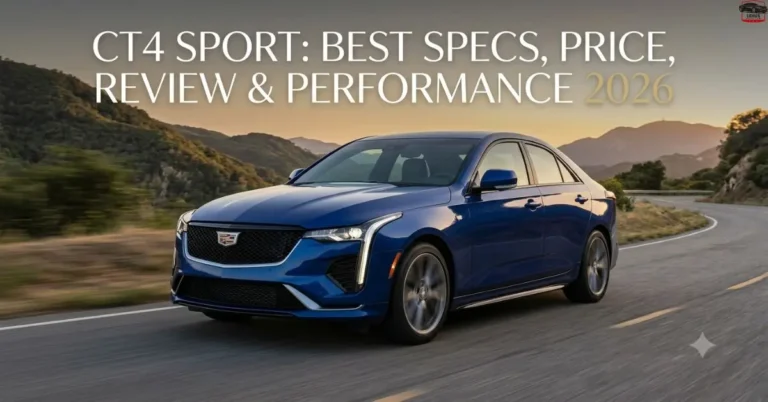
When stacked against luxury sedan rivals in the segment, the IS350 occupies a middle ground in terms of outright speed. The Cadillac CT4-V represents one clear competitor that takes a more aggressive approach to performance. Similarly, the Genesis G70 offers buyers another alternative that emphasizes sport performance and driving engagement over pure comfort.
For enthusiasts seeking maximum performance from their compact luxury sedan, these rivals deliver sharper moves and more immediate responses. The CT4-V in particular brings turbocharged power and track-ready dynamics, while the G70 combines value pricing with genuinely sporty behavior. Both competitors demonstrate what’s possible when manufacturers prioritize performance over comfort in their tuning decisions.
Also Read: How to Choose the Right Metro Lexus Model for You 2026
Acceleration Performance and Real-World Testing
The objective measure of straight-line acceleration performance comes through standardized testing procedures. Car and Driver testing provides reliable, repeatable results that allow fair performance comparison across different vehicles and configurations.
The RWD model achieves a 0-60 mph time of 5.6 seconds in controlled testing conditions. This represents solid, if not spectacular, acceleration performance that feels adequately quick in real-world driving. The AWD model posts a slightly quicker 0-60 mph time of 5.5 seconds, benefiting from improved traction off the line despite the two fewer gear ratios in its transmission.
These figures place the IS350 in respectable territory for the class, delivering performance that satisfies most drivers without setting benchmarks. The 311 horsepower output proves sufficient for highway merging, passing maneuvers, and general responsiveness.
Competitive Context and Performance Expectations
However, context matters when evaluating these acceleration performance numbers. The Cadillac CT4-V demonstrates the performance gap between the comfort-oriented IS350 and more focused sport sedans. In identical Car and Driver testing conditions, the CT4-V reached 60 mph in just 4.7 seconds—nearly a full second quicker than the IS350’s best time.
That 0.9-second difference might not sound dramatic on paper, but it represents a substantial performance advantage that translates to noticeably stronger acceleration in every driving scenario. The CT4-V’s 4.7 seconds result comes from more aggressive engine tuning, forced induction, and suspension calibration aimed squarely at driving enthusiasts.
Understanding the Trade-offs
The IS350’s measured approach to performance reflects conscious choices in its development. The comfort-oriented suspension tuning delivers a more pleasant daily driving experience with better isolation from road imperfections. The naturally aspirated 3.5-liter V-6 provides instantaneous throttle response without turbo lag, along with Toyota’s legendary powertrain durability.
The different transmission pairing between drivetrains—8-speed automatic transmission for rear-wheel-drive and 6-speed automatic transmission for all-wheel-drive—represents engineering compromises to accommodate different system requirements. While the AWD model loses two gear ratios, it gains all-weather capability and slightly better launch traction, as evidenced by its marginally quicker 5.5 seconds acceleration time.
The balanced handling philosophy means the IS350 won’t deliver the maximum performance that hardcore enthusiasts might crave, but it provides sufficient engagement for spirited driving while maintaining composure and comfort for everyday use. On a twisty road, it rewards smooth inputs and demonstrates predictable behavior, even if it doesn’t invite the same aggressive driving style as the Genesis G70 or Cadillac CT4-V.
Verdict on Driving Dynamics
For buyers prioritizing overall refinement, long-term reliability, and a more relaxed driving character, the IS350’s approach makes perfect sense. The 311 horsepower feels adequate rather than overwhelming, the ride and handling balance favors comfort without becoming wallowy, and the driving dynamics remain predictable and confidence-inspiring.
Those seeking luxury sedan rivals that deliver sharper moves and maximum performance will find more satisfying options elsewhere. The performance comparison clearly shows competitors like the CT4-V offer superior acceleration performance and more aggressive driving dynamics. But for the target customer who values Japanese build quality and a more measured approach, the IS350’s specifications align well with its mission as a refined daily driver that can occasionally entertain on the right road.
Fuel Economy and EPA Ratings
Expected Efficiency Numbers
The fuel economy figures for the 2026 IS350 have not yet been officially published by the Environmental Protection Agency. However, the 2025 model provides a reliable benchmark for what buyers can expect from the upcoming model year, given that the powertrain remains unchanged.
The previous generation achieved EPA ratings that ranged from 19 mpg city to 20 mpg city depending on configuration and drivetrain selection. On the highway, efficiency improved to between 26 mpg highway and 28 mpg highway, again varying based on whether the vehicle featured rear-wheel drive or all-wheel drive. The combined rating settled at 23 mpg combined, representing a balance between urban and highway driving scenarios.
These numbers place the IS350 in typical territory for a naturally aspirated six-cylinder luxury sedan. The fuel economy won’t win any efficiency awards, but it remains competitive within the segment. For the most current and detailed information about specific configurations and their ratings, visiting the EPA website provides comprehensive data once the 2026 model year figures become available.
Interior Quality and First Row Experience
Sliding into the first row reveals interior quality that lives up to the Lexus reputation for refinement. Every surface you see and touch demonstrates careful material selection and assembly precision. The attention to detail extends from the dashboard to the door panels, creating an environment that feels genuinely upscale.
Standard equipment includes power front seats that offer multiple adjustment positions to accommodate different body types and preferences. Dual-zone automatic climate control allows the driver and front passenger to select individual temperature settings, eliminating the common disagreement over cabin temperature. Push-button start adds a modern convenience touch that’s become expected in this price range.
An optional power sunroof provides open-air motoring when weather permits, flooding the cabin with natural light and fresh air. The standard faux leather upholstery deserves special mention—it feels remarkably soft and realistic, rivaling genuine leather in both appearance and tactile quality while offering easier maintenance and better durability.
Second Row Reality and Space Constraints
The second row tells a different story about space and accommodation. The compact dimensions of the rear-wheel-drive IS create packaging constraints that become immediately apparent when adults attempt to occupy the rear seats. Unlike the more spacious interior found in the similarly priced front-wheel-drive ES sedan, the IS prioritizes sporty proportions over maximum passenger volume.
The rear-wheel-drive architecture requires a transmission tunnel that intrudes into rear foot space, while the sloping roofline and compact wheelbase limit both headroom and legroom. Lanky adults will find the second row challenging for anything beyond short trips. Knee clearance becomes tight, and taller passengers may feel their heads approaching the headliner.
This represents the fundamental trade-off between the sport sedan layout of the IS and the more passenger-focused design of the ES sedan. The front-wheel-drive ES sedan eliminates the transmission tunnel and stretches its wheelbase longer, creating genuinely spacious interior accommodations front and rear. Buyers prioritizing rear passenger comfort should seriously consider the ES instead, while those valuing the driving dynamics of the rear-wheel-drive IS must accept the space compromise.
Cargo Capacity and Practical Storage
Real-World Trunk Testing
Car and Driver testing provides objective measurements of practical cargo capacity through standardized luggage tests. In these evaluations, the IS350 demonstrated the ability to hold five carry-on suitcases inside its trunk with the rear seats in their upright position. This represents adequate capacity for weekend trips or airport runs with multiple passengers.
The trunk capacity expands dramatically when you utilize the folding rear seats. With the rear seats dropped forward, the total jumped to 15 suitcases in testing—a threefold increase that transforms the sedan into a surprisingly capable cargo hauler for larger items or extended trips. This flexibility adds practical value for buyers who occasionally need to transport bulky objects.
The trunk opening itself provides reasonable access, though the sedan body style inherently limits the size of objects you can fit compared to a hatchback or SUV. Still, the numbers confirm that the IS350 offers competitive utility within the compact luxury sedan segment.
Final Thought:
The Lexus IS occupies an interesting position in today’s luxury sedan landscape—it’s a car that knows exactly what it wants to be, even if that vision doesn’t chase the latest trends. While competitors constantly reinvent themselves with turbocharged engines, hybrid powertrains, and increasingly aggressive styling, the IS sticks to fundamentals: a smooth V6, rear-wheel-drive dynamics, and build quality that should outlast your loan payments by a comfortable margin.
It won’t set lap records or pin you to your seat during acceleration runs. The rear seat remains better suited for teenagers than full-grown adults, and the fuel economy numbers won’t impress anyone tracking their carbon footprint. But for drivers who value predictability over drama, reliability over bleeding-edge technology, and refinement over raw performance, the IS delivers exactly what it promises.
The 2026 refresh brings much-needed technology updates that finally address the dated cabin experience, while the streamlined lineup eliminates choice paralysis. You get one engine, two trim levels, and a straightforward decision between rear-wheel drive and all-wheel drive. It’s refreshingly simple in an automotive world that increasingly feels overwhelming.
The IS won’t be the flashiest car in the parking lot or the quickest off the stoplight. But it might just be the one you’re still happily driving when your neighbor is dealing with their third German luxury sedan repair bill. Sometimes, that’s precisely the kind of excitement you want—or rather, don’t want—from a daily driver.
FAQs
How much for Lexus IS?
Lexus IS price in Nigeria ranges from ₦3,000,000 to ₦10,500,000. This Lexus IS luxury sedan stands out in the Lexus IS Nigeria market for reliability, safety features, comfort, convenience technologies, making it the best luxury sedan in Nigeria with true Lexus IS value for money.
Is the Lexus IS expensive to maintain?
Lexus maintenance cost stays low, making it an affordable luxury car maintenance option. Following the Lexus factory maintenance schedule boosts Lexus durability and Lexus long-term durability. With a strong Lexus reliability ranking, Repair Pal Lexus ranking confirms Lexus overall reliability, even in Lexus vs Toyota reliability, lowering luxury vehicle maintenance cost.
How much is an oil change on a Lexus IS 350?
The 2023 Lexus IS 350 oil change cost and Lexus IS 350 oil change price stay affordable within overall Lexus IS 350 maintenance cost. With a Lexus IS 350 oil capacity 6.6 quarts, the Lexus IS 350 oil filter replacement cost remains low, helping control Lexus IS 350 service cost and smooth Lexus IS 350 routine maintenance.
What luxury car does free maintenance?
Complimentary 3-Year Prepaid Maintenance on New 2025 & 2026 Mercedes‑Benz Models. Foothill Ranch, CA – At Mercedes‑Benz of Foothill Ranch, we’re committed to exceptional ownership experiences.
What is the true cost to own?
True Cost to Own pricing and the TCO pricing system help buyers understand real vehicle ownership costs, including car depreciation cost, auto loan interest cost, vehicle taxes and fees, car insurance premiums, fuel costs, vehicle maintenance cost, and car repair expenses, showing the full total cost of car ownership.

I’m Fiza Ansari, a Lexus specialist with 2+ years of experience helping drivers find their perfect luxury vehicle. From the sporty RC F to the elegant ES sedan and family-friendly RX—I know each model thoroughly. My expertise covers performance features, ownership costs, leasing options, and certified pre-owned benefits. Whether you’re a first-time luxury buyer or upgrading to an F Sport model, I provide honest guidance to help you make the right choice for your lifestyle and budget.